

Desoxyn is a prescription medication containing methamphetamine, which is prescribed to treat ADHD as a second-line treatment. Desoxyn can cause many risks, including serious adverse effects, overdose, and addiction. As such, it should be used exactly as prescribed and following professional guidance.
- Desoxyn is a stimulant medication that can help people manage symptoms of ADHD. It is also sometimes used short-term for the treatment of obesity.
- Desoxyn use can result in abuse, dependence, and addiction, which may require professional support to manage.
- Desoxyn is a second-line treatment, meaning that other medications should be prescribed first.

Understanding Desoxyn
Desoxyn is the brand name for a prescription medication containing methamphetamine hydrochloride. Desoxyn is approved by the Food and Drug Administration (FDA) for the treatment of attention-deficit/hyperactivity disorder (ADHD) as a second-line treatment, meaning that it can be prescribed only if other medications have been unsuccessful or ineffective. [1][2] It can be prescribed to children aged six and above, and can also be used as a short-term adjunctive treatment for obesity. [1]
Desoxyn contains 5 mg of methamphetamine hydrochloride, a central nervous system (CNS) stimulant. It is classed as a Schedule II controlled substance. [1]
Is Desoxyn the same as methamphetamine?
Desoxyn and illicit methamphetamine are essentially the same drug, with the same potential risks. However, there are differences between the two, due to the regulation, purity, and administration.
Prescription methamphetamine is produced pharmaceutically and is regulated and approved by governing bodies, the FDA, and the Drug Enforcement Administration (DEA). Illicit methamphetamine is produced illegally, often in clandestine laboratories, meaning that its purity and safety may be less consistent, and it could be mixed with other substances or contaminants. [3]
Illicit methamphetamine is often smoked or injected, with the intention of experiencing a euphoric ‘high’, whereas Desoxyn is intended for oral ingestion in smaller, medicinal doses.
How Desoxyn works in the brain
Desoxyn is a potent CNS stimulant that works by increasing the release of the neurotransmitter dopamine, enhancing energy and mood. This effect can last for 6 to 8 hours. Desoxyn also impacts serotonin and norepinephrine activity, enhancing their release in the brain. [1][2]
These mechanisms can have a range of effects, including increased signaling in the prefrontal circuits, which helps to improve attention, memory, and impulse control. [2]
Why Desoxyn is prescribed
Desoxyn is prescribed to treat ADHD in people over the age of six. It can also be prescribed as an adjunctive medication to treat obesity. [1]
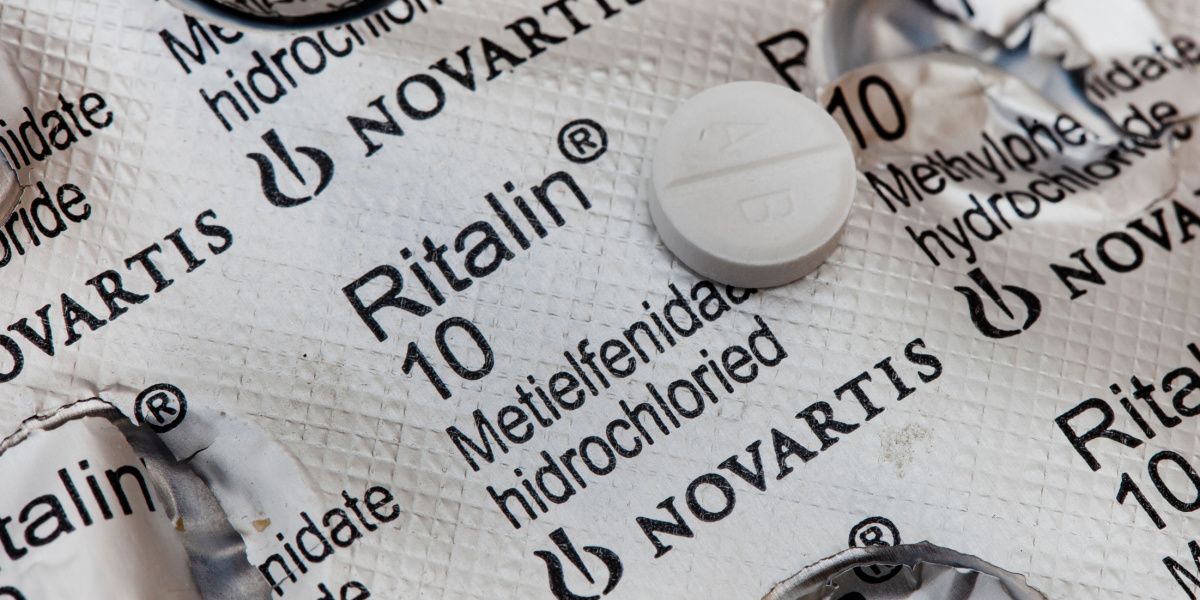
Desoxyn is not a first-line treatment because of its high potential for abuse, addiction, and dependence. First-line ADHD medications include methylphenidate (Ritalin), amphetamine/dextroamphetamine (Adderall), and dextroamphetamine (Dexedrine).
These medications are more extensively studied and are deemed to be less dangerous than Desoxyn due to a lower potency, slightly lower risk of abuse and addiction, and lower likelihood of serious side effects. [2]
Side effects of Desoxyn
Side effects are common when starting a new treatment, though they typically resolve within a matter of weeks. If side effects persist or worsen, changes in treatment or medical intervention may be required. Common side effects of Desoxyn can include: [1][2]
- Increased heart rate
- Shaking
- Sleep disturbances
- Stomach pain and upset
- Reduced appetite
- Headache
- Dizziness
- Weight loss
- Dry mouth
- Agitation
Serious side effects of Desoxyn can occur and should be reported to a medical professional, as it may be necessary to change or reduce medications or implement other treatments. Serious side effects of Desoxyn can include: [1]
- Suppressed growth in children
- Seizures
- Impaired eyesight
- Stroke or heart attack
- Extreme changes in heart rate and blood pressure
- New or worse mania or other signs of bipolar disorder
- New or worse aggression or hostility
- Significant changes in mood and behavior
- New psychotic symptoms, including hallucinations and delusions
- Circulation problems, indicated by numb, painful, or blue fingers or toes
- Dramatic increase in body temperature
Overdose
Desoxyn can also cause an overdose if it is taken in higher doses than prescribed. Signs of Desoxyn overdose can include: [1]
- Shaking
- Rapid breathing
- Confusion
- Violent behavior
- Psychotic symptoms
- Panic
- Irregular or rapid heartbeat
- Nausea and vomiting
- Seizures
- Loss of consciousness
In the event of an overdose, seek medical guidance. In case of an emergency, such as breathing difficulties, loss of consciousness, or seizures, call 911 immediately.
Abuse, dependence, and addiction risks
Desoxyn has a high potential for abuse, dependence, and addiction, due to its impact on dopamine. Dopamine is primarily involved in the brain’s reward circuit, enhancing and reinforcing feelings of pleasure. With repeated use, physical dependence can develop, which causes the individual to feel the need to continue taking the substance to feel ‘normal’, and causes withdrawal symptoms if the substance is stopped. [1]
Desoxyn is also more potent than other stimulants like Adderall and does not come in an extended-release format, which can make it more addictive in nature. This can result in the development of addiction, which can have significant negative impacts on various areas of well-being and functioning, including sleep, professional and academic performance, interpersonal relationships, and behavior. [2][4]
Navigating access and alternatives safely
A medical professional, often a psychiatrist or doctor, will need to conduct a thorough assessment of the individual and their symptoms, including gathering information about their history of mental and physical health conditions.
Only when other medications have been tried and shown to be unsuccessful, and it is deemed medically safe and appropriate, should Desoxyn be prescribed. It is important that it is taken exactly as prescribed and that regular reviews are conducted throughout treatment.
Who should avoid Desoxyn?
Desoxyn is not suitable for: [1]
- Children under six years old.
- People with a history of cardiac issues.
- People with a history of substance use issues.
- People with a history of hyperthyroidism or glaucoma.
- People taking monoamine oxidase inhibitors (MAOIs).
- Individuals with pre-existing heart issues or cardiac disease.
- Individuals who are diagnosed with hypertension.
- Individuals with psychotic disorders or symptoms.
The prescribing doctor should be informed of all health conditions, in particular a history of severe mental illnesses, diabetes, or seizures, as Desoxyn may not be suitable or an altered dosage may be required.
What to do if you're concerned about Desoxyn use
If you are prescribed Desoxyn and you are concerned about adverse effects, continuing use, or signs of addiction or dependence, consult the prescribing doctor. They can assess the risks and benefits of your treatment and monitor for any concerning effects.
If necessary, Desoxyn can be reduced, or alternative medications can be implemented with a careful tapering and titration period. Never stop taking Desoxyn suddenly or without professional guidance, as this can result in withdrawal symptoms and unmanaged symptoms. [1]
Treatment and support options for Methamphetamine addiction
People who are taking Desoxyn without a prescription, taking more than prescribed, or noticing signs and consequences of Desoxyn addiction may require professional support to reduce and stop use. A clinician can help determine the severity of Desoxyn dependence and addiction and provide advice on suitable steps to take to reduce use. [4]
If necessary, individuals may be referred to substance use disorder services for specialist support. It can be very challenging to overcome addiction to stimulant substances, particularly methamphetamine. Because of this, people may experience better outcomes if they utilize specialist support.
Research indicates that people with methamphetamine use disorder can benefit from a structured treatment approach known as the Matrix Model. This incorporates a wide range of treatment options, including individual and group therapies, medications, education groups, recovery skills training, and consistent professional support. [4][5]
People can consult their primary care physician for information and advice about utilizing these types of treatments. Additionally, information about local rehabilitative services can be found on the Recovered directory.



-guide-detail.jpg?v=1756808523)
-guide-detail.jpg?v=1722501856)