Pennsylvania Rehabs

Find Drug & Alcohol Rehab Centers in Pennsylvania

We have independently evaluated and rated the rehab facilities in Pennsylvania to provide an unbiased and comprehensive list of the best addiction and mental health services available.

Find Pennsylvania Centers By City

Top 12 out of 635 rated rehabs in Pennsylvania

  1. Greenbriar Treatment Center North Strabane
    Outpatient Partial hospitalisation Telemedicine

    5/5

    4 Accreditations

    Insurance Accepted

    Cash Pay Rate

    Enhancing the well-being of individuals grappling with substance dependence by offering evidence-based outpatient recovery support. Encompassing substance monitoring, relapse strategies, and recovery guidance so patients conclude their treatment equipped to manage their addiction long-term.

    Substance abuse icon Substance abuse Alcoholism icon Alcoholism Counselling icon Counselling MAT icon MAT +
    State Insurance icon State Insurance Sliding Fee Scale icon Sliding Fee Scale +
  2. Saint Joseph Institute
    Residential Telemedicine

    Port Matilda, Centre, PA

    5/5

    4 Accreditations

    Insurance Accepted

    Cash Pay Rate

    Utilizes a range of evidence-based addiction treatment methodologies in an inpatient setting, assuring residents get the best care for their substance use disorders. Specialists are on hand to provide one-to-one support through behavioral therapies like CBT, as well as preparing for ongoing recovery with aftercare and relapse prevention services.

    Substance abuse icon Substance abuse Alcoholism icon Alcoholism Co-occuring icon Co-occuring Detox icon Detox Mental health icon Mental health Counselling icon Counselling MAT icon MAT +
    Sliding Fee Scale icon Sliding Fee Scale +
  3. Bradford Recovery Center
    Residential Telemedicine

    Millerton, Tioga, PA

    5/5

    6 Accreditations

    Insurance Accepted

    Cash Pay Rate

    Helps guests recover from drug and alcohol addiction through supervised detoxification in a comfortable residential setting. Specialists are on hand to guide individuals through treatment, using proven methods such as CBT and relapse prevention to help instill the necessary tools for long-term recovery.

    Substance abuse icon Substance abuse Alcoholism icon Alcoholism Co-occuring icon Co-occuring Detox icon Detox Mental health icon Mental health Counselling icon Counselling MAT icon MAT +
    State Insurance icon State Insurance SAMHSA Funded icon SAMHSA Funded Sliding Fee Scale icon Sliding Fee Scale +
  4. Promises Outpatient Services LLC DBA Ranch Pennsylvania
    Residential

    5/5

    3 Accreditations

    Insurance Accepted

    Cash Pay Rate

    This inpatient facility uses clinically proven therapies to help those with substance use disorders get the help they need. At the end of their addiction treatment program (typically 90 days), former residents will have developed the necessary skills to maintain long-term recovery.

    Substance abuse icon Substance abuse Alcoholism icon Alcoholism Co-occuring icon Co-occuring Detox icon Detox Mental health icon Mental health Counselling icon Counselling MAT icon MAT +
    Sliding Fee Scale icon Sliding Fee Scale +
  5. Retreat Behavioral Health Outpatient Services
    Outpatient Partial hospitalisation

    5/5

    4 Accreditations

    Insurance Accepted

    Cash Pay Rate

    Helps clients to forge a new beginning and break the cycle of addiction in a comfortable setting. Using a holistic approach of evidence-based therapies, relapse prevention strategies, and counseling services, it empowers individuals to reclaim their lives and prepare them for long-term recovery.

    Substance abuse icon Substance abuse Alcoholism icon Alcoholism Co-occuring icon Co-occuring Mental health icon Mental health Counselling icon Counselling DUI/ DWI icon DUI/ DWI MAT icon MAT +
    Sliding Fee Scale icon Sliding Fee Scale +
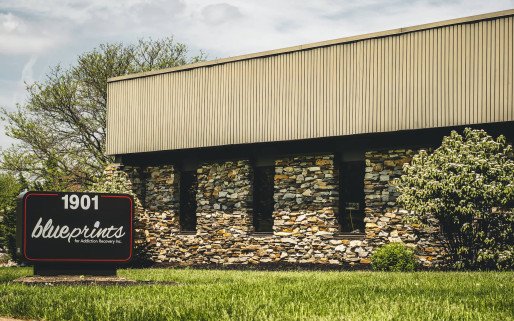
  6. Blueprints for Addiction Recovery Inc
    Outpatient Partial hospitalisation Telemedicine

    5/5

    3 Accreditations

    Insurance Accepted

    Cash Pay Rate

    Supporting individuals struggling with substance dependence through evidence-based outpatient recovery programs. An ideal solution for those seeking help with addiction, but who have commitments that prevent them from attending residential treatment.

    Substance abuse icon Substance abuse Alcoholism icon Alcoholism Co-occuring icon Co-occuring Detox icon Detox Mental health icon Mental health Counselling icon Counselling MAT icon MAT +
    State Insurance icon State Insurance SAMHSA Funded icon SAMHSA Funded Sliding Fee Scale icon Sliding Fee Scale +
  7. Silver Pines Treatment Center
    Inpatient (hospital) Residential

    Mahanoy City, Schuylkill, PA

    5/5

    2 Accreditations

    Insurance Accepted

    Cash Pay Rate

    Offers a warm and compassionate environment for those who try to free themselves from drugs and alcohol. This residential setting offers detoxification as well as therapeutic interventions, such as CBT, relapse prevention, and motivational interviewing, which are tailored to each visitor's needs, providing the greatest possible chance for recovery.

    Substance abuse icon Substance abuse Alcoholism icon Alcoholism Detox icon Detox Mental health icon Mental health Counselling icon Counselling MAT icon MAT +
    Sliding Fee Scale icon Sliding Fee Scale +
  8. Little Creek Recovery
    Residential Telemedicine

    Lake Ariel, Wayne, PA

    5/5

    2 Accreditations

    Insurance Accepted

    Cash Pay Rate

    Delivers peerless residential care for drug and alcohol addictions by utilizing the 12-Step approach to recovery. Treatment methods combine individual therapeutic interventions, such as CBT and relapse prevention, with group counseling, offering the ideal combination of personal growth and resilience within a strong support network to guide individuals through their recovery journey.

    Substance abuse icon Substance abuse Alcoholism icon Alcoholism Counselling icon Counselling Gambling icon Gambling MAT icon MAT +
    Sliding Fee Scale icon Sliding Fee Scale +
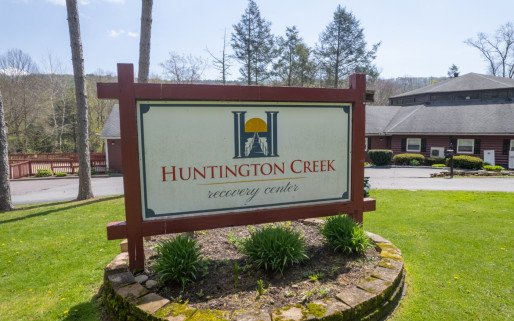
  9. Huntington Creek Recovery Center
    Residential Telemedicine

    Shickshinny, Luzerne, PA

    5/5

    4 Accreditations

    Insurance Accepted

    Cash Pay Rate

    Offers a safe and welcoming environment for those seeking personalized addiction treatment. This residential setting utilizes medically supervised detoxification, as well as therapeutic interventions such as CBT, relapse prevention, and motivational interviewing, which are tailored to each visitor's needs, providing the greatest possible chance for recovery.

    Substance abuse icon Substance abuse Alcoholism icon Alcoholism Detox icon Detox Mental health icon Mental health Counselling icon Counselling MAT icon MAT +
    State Insurance icon State Insurance Sliding Fee Scale icon Sliding Fee Scale +
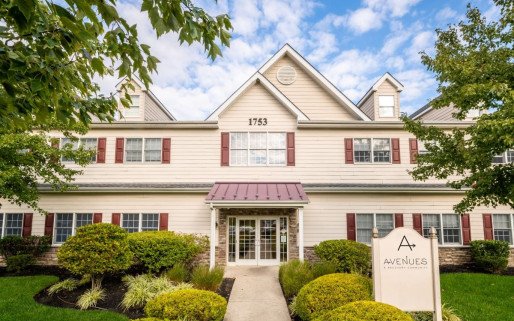
  10. Avenues Recovery Center at Bucks
    Outpatient Partial hospitalisation Telemedicine

    5/5

    3 Accreditations

    Insurance Accepted

    Cash Pay Rate

    Understands that every recovery journey is unique and requires a tailored treatment program and supportive guidance for the best chance of success. They use a combination of evidence-based techniques, such as CBT and relapse prevention, along with long-term recovery planning to ensure the best care is given to all who visit them.

    Substance abuse icon Substance abuse Alcoholism icon Alcoholism Co-occuring icon Co-occuring Mental health icon Mental health Counselling icon Counselling Gambling icon Gambling MAT icon MAT +
    Private health insurance icon Private health insurance Sliding Fee Scale icon Sliding Fee Scale +
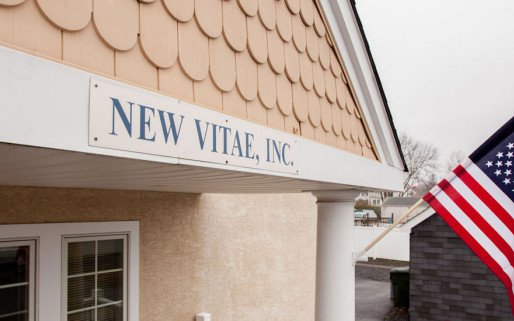
  11. New Vitae Inc
    Outpatient Partial hospitalisation Telemedicine

    Quakertown, Bucks, PA

    5/5

    4 Accreditations

    Insurance Accepted

    Cash Pay Rate

    Embraces a philosophy of holistic care that ensures clients are empowered with the skills for long-term addiction recovery. Through a balance of research-backed therapies such as CBT and relapse prevention, practical life skills training, and dedicated aftercare programs like discharge planning, individuals can make lasting progress long after treatment ends.

    Substance abuse icon Substance abuse Alcoholism icon Alcoholism Co-occuring icon Co-occuring Mental health icon Mental health Counselling icon Counselling Gambling icon Gambling MAT icon MAT +
    State Insurance icon State Insurance Sliding Fee Scale icon Sliding Fee Scale +
  12. Silver Linings Recovery Center
    Outpatient Partial hospitalisation Telemedicine

    5/5

    2 Accreditations

    Insurance Accepted

    Cash Pay Rate

    Helping to improve the quality of life for those with drug addiction by delivering evidence-based outpatient recovery services. Services include drug monitoring, relapse prevention, and counseling to ensure all visitors finish their treatment program equipped with the right tools to achieve long-term recovery.

    Substance abuse icon Substance abuse Alcoholism icon Alcoholism Co-occuring icon Co-occuring Counselling icon Counselling MAT icon MAT +
    Private health insurance icon Private health insurance State Insurance icon State Insurance Sliding Fee Scale icon Sliding Fee Scale +
Recovered Branding BG
Ready to talk about treatment? Call today. (833) 840-1202
Helpline Information

Calls to numbers marked with (I) symbols will be answered or returned by one of the treatment providers listed in our Terms and Conditions, each of which is a paid advertiser.

In calling the helpline you agree to our Terms and Conditions. We do not receive any fee or commission dependent upon which treatment or provider a caller chooses.

There is no obligation to enter treatment.

Access State-Specific Provider Directories for detailed information on locating licensed service providers and recovery residences in your area.

For any specific questions please email us at info@recovered.org

More Information

How long does rehab treatment take in Pennsylvania?

The average inpatient treatment program lasts between 30 and 90 days but outpatient and aftercare services may be longer.

How do I pay for rehab treatment Pennsylvania?

Rehab facilities accept a wide range of payment options including health insurance, self-funding, grants & scholarships, and Medicaid/Medicare.

How do I choose the right rehab in Pennsylvania?

Speaking to a physician or healthcare expert can help you identify the severity of your substance use disorder and a suitable treatment option. You can then search our directory for a center that best meets your needs.

What treatment medications are used during rehab?

Substance use disorders may require different medication-assisted treatments depending on the substance being abused and the severity of the addiction. For opioid use disorders, suboxone, buprenorphine, and methadone are often used during detox and aftercare, while those with an alcohol addiction may receive Antabuse.

Can rehabs in Pennsylvania give out my information?

No, The Health Insurance Portability and Accountability Act of 1996 (HIPAA) is a federal law that prevents a patient's private health information from being shared with another party without their consent including patients attending rehab treatment.

What is a rehab like in Pennsylvania?

All rehab facilities operate differently and treatment settings can alternate what a day-to-day schedule will look like. Read here to find out more about a typical day in rehab.

How much does rehab cost in Pennsylvania?

Rehab treatment costs can vary greatly; with outpatient detox programs costing around $1,200 and residential inpatient services costing over $10,000. Rehab costs can almost always be covered partially or wholly by health insurance and many centers accept other payment options depending on your circumstances.

When should I seek help for addiction?

There are many indicators that you or a loved one may have a substance problem. Read our guide on the warning signs of addiction for more information or take our self-assessment.

How do I get a loved one to go to rehab?

While it’s good to share your concern for the person's well-being and health, it’s important to understand that they may not be ready or willing to get help. Most of the time, going to rehab needs to be a voluntary choice (unless court-ordered) so you cannot force a loved one into rehab.

What should I bring with me to rehab?

Each rehab center has its own set of rules and policies about contraband items, so check with the facility before you pack your things. There are also some items you may need to bring with you for admission, including a photo ID and a copy of your health insurance card, as well as clothing for several days and hygiene products.

Can I still work while in rehab?

While going to rehab won’t affect your employment status, almost all facilities do not allow remote working during treatment. This is to ensure patients are free from outside distractions and can focus on healing.

Can I visit someone in rehab?

Yes, though all rehabs will have their own visitation policy and most won’t allow outside visits within the first 14-30 days.

What government assistance is available for rehab in Pennsylvania?

The Department of Drug and Alcohol Programs in Pennsylvania Helps you find treatment facilities, drug take-back locations, and nd county office locations where you can seek assistance for your addiction.

The department has a free online tool known as Just Five, which promotes education and awareness about substance use disorder among Pennsylvania residents.

With initiatives like recovery rising that help to foster an accessible recovery environment in Pennsylvania, the state is working to prevent substance abuse among people of Pennsylvania and ensure those struggling with addiction get the necessary treatment.


To get help from the Department of drug and alcohol programs, you can contact 1-800-662-HELP(4357).

How bad is drug abuse in Pennsylvania?

Pennsylvania has a population of 12,964,056 people. The most recent data from the 2021 National Survey on Drug Use and Health (NSDUH) found that 1,854,000 people over the age of 12 had abused illegal substances in the past month, around 14.30% of the population.

1,637,000 reported marijuana use in the past month and 2,203,000 in the past year. The report also found that 291,000 Pennsylvania residents had abused cocaine in the past year, 137,000 had abused meth, and 454,000 had abused prescription pain medication. 103,000 people over the age of 18 reported using heroin in the last year.

Those reporting opioid misuse including heroin, painkillers, and fentanyl in Pennsylvania totaled 465,000 people.

See more

Rehab in Pennsylvania

Pennsylvania is a state rich in American history, being the birthplace of the Declaration of Independence and the U.S. Constitution. Its rural communities and bustling cities face significant challenges related to substance misuse. The opioid crisis has had a particularly profound impact on Pennsylvania, with fentanyl contributing to a significant number of opioid-related overdoses.

The state offers a range of addiction treatment programs, including community services, intensive residential programs, supported detoxification, and integrated treatment for co-occurring mental health conditions. Pennsylvania’s rehabilitation facilities range from small rural centres to comprehensive urban hospitals.

Facing a growing opioid epidemic, Pennsylvania has declared opioid addiction a public health emergency. This focus has allowed the state to rapidly allocate resources and implement initiatives to improve access to addiction recovery. One such initiative was the creation of Centres of Excellence for Opioid Use Disorder, providing a high standard of coordinated care for people struggling with opioid misuse.

How does addiction affect everyday life?

Addiction and substance use often create ripple effects that disturb everyday life in some way. Over time, these ripples can turn into waves that severely disrupt all areas of an individual's life and those around them.

For example, someone with a gambling problem may begin to hide their losses from loved ones and start to struggle financially. If gambling behavior continues and finances aren’t taken care of, severe levels of debt are likely to occur, which can lead to stress, depression, and many other problems.

Furthermore, addiction can, and often does, affect the lives of everyone involved with the person suffering. It can cause unbearable strain on relationships, create rifts in family structures, ruin friendships, derail careers, and destroy all sense of self-worth.

Signs you or a loved one may need rehab

The indicators of addiction can vary from mild to severe; some have an obvious and direct impact on daily life, and others may be subtle behavioral changes that can become damaging if left unchecked. The signs of addiction are also not uniform for everyone, and some people can hide or deny their problem so that no one spots it, sometimes even themselves.

Despite the nuances of symptoms from person to person, some warning signs are universal. These can include:

  • Omitting personal responsibilities to use (e.g., not going to work in order to drink).
  • Not being able to go 24 hours without using.
  • Activities you once enjoyed are replaced with substance use.
  • Lying about substance use or hiding it.
  • Experiencing withdrawal symptoms when not using.
  • Causing harm to yourself or others due to using substances and not stopping.

Is substance use a choice?

While someone’s initial decision to use substances is often their own choice (though not always), addiction is not. Once the drugs or alcohol have taken hold of someone to the degree that they cannot operate normally without them (physical dependence) it becomes extremely difficult to stop. Withdrawal symptoms, cravings, and many other factors can make giving up on drugs or alcohol feel impossible without dedicated treatment.

Choosing the right rehab

The first and most vital step towards recovery from substance addiction is deciding you need rehab treatment. However, it can be difficult and overwhelming when trying to choose the right rehab option that meets your needs.

Below, you will find some crucial criteria you should consider when choosing a rehab center that best meets your unique requirements.

Dual diagnosis treatment

Co-occurring conditions, also known as a dual diagnosis, are mental health conditions or disorders that are present alongside a substance use disorder. Co-occurring disorders can often exacerbate the symptoms of one another, and it is not always possible to identify which one has caused the other.

For example, someone suffering from major depressive disorder may turn to alcohol as a way of self-medicating, or someone taking prescribed benzodiazepines for managing anxiety may start to abuse their medication.

Co-occurring conditions can be difficult to manage effectively, and treatment requires an integrated approach. If you have a dual diagnosis, you should make sure the rehab center can treat both effectively.

Type of substance addiction

While many rehab centers have treatment programs designed to treat various substance use disorders, others specialize in individual substance addiction treatment. While both are good options, choosing a rehab dedicated to treating your form of SUD will provide a more focused approach.

Common substances treated by most rehab centers include:

  • Alcohol
  • Benzodiazepines
  • Heroin
  • Cannibis
  • Methamphetamines
  • Opioids
  • Prescription drugs

If you have a polysubstance use disorder (e.g., cocaine and alcohol), you may require a more tailored treatment plan that some rehab centers won’t be equipped to provide. This makes it vital that you check the rehab center can effectively treat your form of SUD.

Rehab and treatment options

There are multiple stages to a substance use disorder, as well as different levels of severity. This means that various treatment approaches and different levels of care need to be employed for each stage to match the individual’s additional needs.

The most frequently used levels of treatment include:

Detox

Detoxification is a common part of recovery for most substance use disorders. Detox centers are medically supervised environments for people to safely go through the withdrawal process. Certain substances, such as opioids or alcohol, can cause uncomfortable and occasionally life-threatening withdrawal symptoms, which often lead to individuals relapsing back to substance use. This is why detox is an important step in the recovery process, and a medically supervised setting can help ensure individuals are comfortable and safe, in turn reducing the risk of relapse.

Residential care

Residential care is best suited for those who require round-the-clock care. Individuals attending a residential rehab will typically partake in a 30-day treatment program, incorporating various forms of counseling and talk therapies, as well as any drug monitoring required.

Outpatient

Outpatient programs are designed for people who have personal obligations that hinder them from attending residential care, as well as those moving on from residential care but who still require support.

Intensive outpatient programs (IOP)

IOPs are designed for those who require high levels of care but cannot attend residential care. IOPs will require more dedicated time from individuals, typically for a few hours a day, three to five days a week.

Sober living and transitional housing

Sober living and transitional homes offer an environment free from triggers and temptations, as those who have been through treatment prepare to manage full-time recovery outside of rehab. They also provide a safe space for those attending outpatient programs who are exposed to substance use at home.