Oregon Rehabs

Find Drug & Alcohol Rehab Centers in Oregon

We have independently evaluated and rated the rehab facilities in Oregon to provide an unbiased and comprehensive list of the best addiction and mental health services available.

Find Oregon Centers By City

Top 12 out of 236 rated rehabs in Oregon

  1. Portland Metro Treatment Center
    Outpatient

    Portland, Multnomah, OR

    5/5

    4 Accreditations

    Insurance Accepted

    Cash Pay Rate

    Enhancing the well-being of individuals grappling with substance dependence by offering evidence-based outpatient recovery support. Encompassing substance monitoring, relapse strategies, and recovery guidance so patients conclude their treatment equipped to manage their addiction long-term.

    Substance abuse icon Substance abuse Mental health icon Mental health Counselling icon Counselling MAT icon MAT +
    Medicare icon Medicare Sliding Fee Scale icon Sliding Fee Scale +
  2. Tree House Recovery PDX
    Outpatient Partial hospitalisation Telemedicine

    Portland, Multnomah, OR

    5/5

    3 Accreditations

    Insurance Accepted

    Cash Pay Rate

    Helping to improve the quality of life for those with drug addiction by delivering evidence-based outpatient recovery services. Services include drug monitoring, relapse prevention, and counseling to ensure all visitors finish their treatment program equipped with the right tools to achieve long-term recovery.

    Substance abuse icon Substance abuse Alcoholism icon Alcoholism Mental health icon Mental health Counselling icon Counselling MAT icon MAT +
    Sliding Fee Scale icon Sliding Fee Scale +
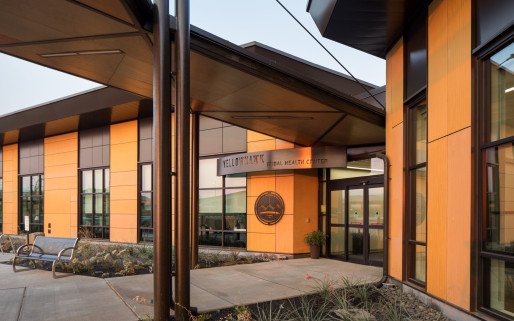
  3. Yellowhawk Tribal Health Center Behavioral Health Program
    Outpatient Telemedicine

    5/5

    3 Accreditations

    Insurance Accepted

    Cash Pay Rate

    Supporting individuals struggling with substance dependence through evidence-based outpatient recovery programs. An ideal solution for those seeking help with addiction, but who have commitments that prevent them from attending residential treatment.

    Substance abuse icon Substance abuse Alcoholism icon Alcoholism Co-occuring icon Co-occuring Mental health icon Mental health Counselling icon Counselling Gambling icon Gambling DUI/ DWI icon DUI/ DWI MAT icon MAT +
    State Insurance icon State Insurance Medicare icon Medicare Military Insurance icon Military Insurance SAMHSA Funded icon SAMHSA Funded Sliding Fee Scale icon Sliding Fee Scale +
  4. Grants Pass Treatment Center
    Outpatient Telemedicine

    Grants Pass, Josephine, OR

    5/5

    4 Accreditations

    Insurance Accepted

    Cash Pay Rate

    Embraces a philosophy of holistic care that ensures clients are empowered with the skills for long-term addiction recovery. Through a balance of research-backed therapies such as CBT and relapse prevention, practical life skills training, and dedicated aftercare programs like discharge planning, individuals can make lasting progress long after treatment ends.

    Substance abuse icon Substance abuse Alcoholism icon Alcoholism Counselling icon Counselling Gambling icon Gambling MAT icon MAT +
    State Insurance icon State Insurance Medicare icon Medicare Sliding Fee Scale icon Sliding Fee Scale +
  5. Center of Excellence in Co Occurring Medicine
    Outpatient Telemedicine

    5/5

    2 Accreditations

    Insurance Accepted

    Cash Pay Rate

    A supportive addiction rehab that guides individuals through integrated therapy, counseling, and assisted detox to help them overcome substance use disorder. Specialists are on hand to support visitors with supervised detox and develop a long-term treatment and recovery program that is tailored to their needs.

    Substance abuse icon Substance abuse Alcoholism icon Alcoholism Co-occuring icon Co-occuring Detox icon Detox Mental health icon Mental health MAT icon MAT +
    Sliding Fee Scale icon Sliding Fee Scale +
  6. Acme Counseling
    Outpatient Partial hospitalisation Telemedicine

    Corvallis, Benton, OR

    5/5

    3 Accreditations

    Insurance Accepted

    Cash Pay Rate

    This rehab provides thorough and compassionate care for those struggling with substance use disorders. Its treatment philosophy centers on evidence-based practices and a holistic approach to improving quality of life, acknowledging that a successful recovery journey includes professional support, personal evolution, and skill-building for self-sufficiency.

    Substance abuse icon Substance abuse Alcoholism icon Alcoholism Co-occuring icon Co-occuring Mental health icon Mental health Counselling icon Counselling Gambling icon Gambling DUI/ DWI icon DUI/ DWI MAT icon MAT +
    State Insurance icon State Insurance SAMHSA Funded icon SAMHSA Funded Sliding Fee Scale icon Sliding Fee Scale +
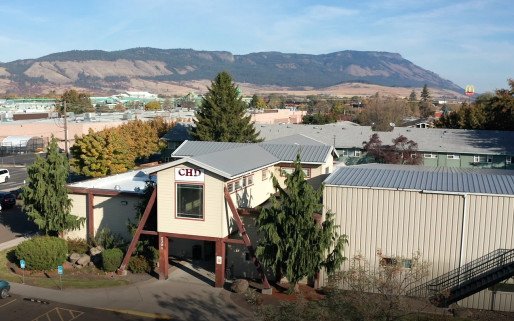
  7. Center for Human Development Inc
    Outpatient Telemedicine

    4.9/5

    3 Accreditations

    Insurance Accepted

    Cash Pay Rate

    Provides comprehensive care for individuals wanting to overcome substance use disorders and dual-diagnosis mental health issues. Every aspect of the program is rooted in evidence-based practices and holistic life improvements. They understand the journey toward recovery is best navigated with professional guidance, personal growth, and through developing the skills to stand on your own feet, free of addiction.

    Substance abuse icon Substance abuse Alcoholism icon Alcoholism Co-occuring icon Co-occuring Mental health icon Mental health Counselling icon Counselling Gambling icon Gambling DUI/ DWI icon DUI/ DWI MAT icon MAT +
    Private health insurance icon Private health insurance State Insurance icon State Insurance Medicare icon Medicare SAMHSA Funded icon SAMHSA Funded Sliding Fee Scale icon Sliding Fee Scale +
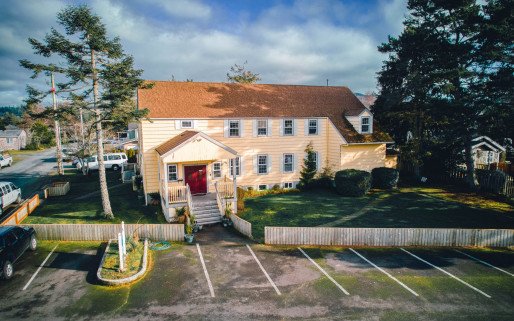
  8. Awakenings by the Sea
    Residential Telemedicine

    Seaside, Clatsop, OR

    4.9/5

    3 Accreditations

    Insurance Accepted

    Cash Pay Rate

    Utilizes a range of evidence-based addiction treatment methodologies in an inpatient setting, assuring residents get the best care for their substance use disorders. Specialists are on hand to provide one-to-one support through behavioral therapies like CBT, as well as preparing for ongoing recovery with aftercare and relapse prevention services.

    Substance abuse icon Substance abuse Alcoholism icon Alcoholism Co-occuring icon Co-occuring Detox icon Detox Mental health icon Mental health Counselling icon Counselling MAT icon MAT +
    Sliding Fee Scale icon Sliding Fee Scale +
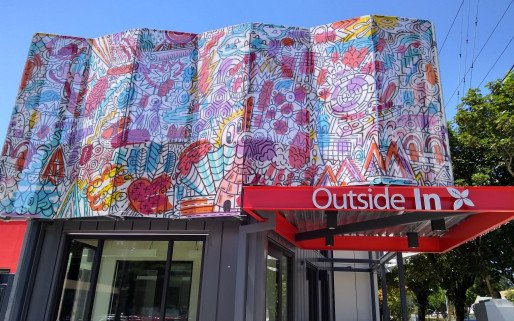
  9. Outside In
    Outpatient Telemedicine

    Portland, Multnomah, OR

    4.8/5

    2 Accreditations

    Insurance Accepted

    Cash Pay Rate

    Assists clients in starting a new chapter in their lives by treating addiction in a comfortable and caring atmosphere. It employs a well-rounded approach of evidence-based treatments and therapies with long-term recovery planning to help clients reclaim their future and prepare for sustained sobriety.

    Substance abuse icon Substance abuse Alcoholism icon Alcoholism Co-occuring icon Co-occuring Mental health icon Mental health Counselling icon Counselling MAT icon MAT +
    State Insurance icon State Insurance Medicare icon Medicare Sliding Fee Scale icon Sliding Fee Scale +
  10. ORTC LLC DBA Springfield Treatment Center
    Outpatient

    4.8/5

    5 Accreditations

    Insurance Accepted

    Cash Pay Rate

    Guided by empathy and a commitment to excellence, this center delivers an extensive approach to overcoming addiction. Its integration of behavioral therapies, personal development tools, and aftercare resources ensures that recovery is supported at every step, from initial treatment assessments to a fulfilling life in sobriety.

    Substance abuse icon Substance abuse Alcoholism icon Alcoholism Counselling icon Counselling MAT icon MAT +
    State Insurance icon State Insurance Medicare icon Medicare Sliding Fee Scale icon Sliding Fee Scale +
  11. Native American Rehabilitation Association of the Northwest Inc
    Residential

    4.8/5

    3 Accreditations

    Insurance Accepted

    Cash Pay Rate

    Provides dedicated and experienced care to individuals requiring co-occurring disorder treatment for addiction and mental health issues. The peaceful residential setting and professional staff ensure clients can relax while receiving a tailored treatment program designed to address all aspects of addiction and mental health equally.

    Substance abuse icon Substance abuse Alcoholism icon Alcoholism Mental health icon Mental health Counselling icon Counselling Gambling icon Gambling MAT icon MAT +
    State Insurance icon State Insurance Medicare icon Medicare Military Insurance icon Military Insurance SAMHSA Funded icon SAMHSA Funded Sliding Fee Scale icon Sliding Fee Scale +
  12. (DBA) Oregon Recovery Behav Health
    Outpatient Telemedicine

    4.8/5

    3 Accreditations

    Insurance Accepted

    Cash Pay Rate

    Understands that every recovery journey is unique and requires a tailored treatment program and supportive guidance for the best chance of success. They use a combination of evidence-based techniques, such as CBT and relapse prevention, along with long-term recovery planning to ensure the best care is given to all who visit them.

    Substance abuse icon Substance abuse Alcoholism icon Alcoholism Counselling icon Counselling DUI/ DWI icon DUI/ DWI MAT icon MAT +
    State Insurance icon State Insurance Military Insurance icon Military Insurance SAMHSA Funded icon SAMHSA Funded Sliding Fee Scale icon Sliding Fee Scale +
Recovered Branding BG
Ready to talk about treatment? Call today. (833) 840-1202
Helpline Information

Calls to numbers marked with (I) symbols will be answered or returned by one of the treatment providers listed in our Terms and Conditions, each of which is a paid advertiser.

In calling the helpline you agree to our Terms and Conditions. We do not receive any fee or commission dependent upon which treatment or provider a caller chooses.

There is no obligation to enter treatment.

Access State-Specific Provider Directories for detailed information on locating licensed service providers and recovery residences in your area.

For any specific questions please email us at info@recovered.org

More Information

How long does rehab treatment take?

The average inpatient treatment program lasts between 30 and 90 days but outpatient and aftercare services may be longer.

How do I pay for rehab treatment?

Rehab facilities accept a wide range of payment options including health insurance, self-funding, grants & scholarships, and Medicaid/Medicare.

How do I choose the right rehab in Oregon?

Speaking to a physician or healthcare expert can help you identify the severity of your substance use disorder and a suitable treatment option. You can then search our directory for a center that best meets your needs.

Can I get mental health treatment during rehab?

Yes, many rehab facilities offer treatment for co-occurring substance use disorder and mental health conditions. The provider will discuss your medical history with you before being admitted to assess if you require dual diagnosis treatment.

What treatment medications are used during rehab?

Substance use disorders may require different medication-assisted treatments depending on the substance being abused and the severity of the addiction. For opioid use disorders, suboxone, buprenorphine, and methadone are often used during detox and aftercare, while those with an alcohol addiction may receive Antabuse.

Can rehabs in Oregon give out my information?

No, The Health Insurance Portability and Accountability Act of 1996 (HIPAA) is a federal law that prevents a patient's private health information from being shared with another party without their consent including patients attending rehab treatment.

What is a rehab like?

All rehab facilities operate differently and treatment settings can alternate what a day-to-day schedule will look like. Read here to find out more about a typical day in rehab.

Does my health insurance cover rehab?

Yes, almost all health insurance providers will cover the cost of substance use disorder and addiction treatment under their plans, as well as other mental health conditions.

How much does rehab cost in Oregon?

Rehab treatment costs can vary greatly; with outpatient detox programs costing around $1,200 and residential inpatient services costing over $10,000. Rehab costs can almost always be covered partially or wholly by health insurance and many centers accept other payment options depending on your circumstances.

When should I seek help for addiction?

There are many indicators that you or a loved one may have a substance problem. Read our guide on the warning signs of addiction for more information or take our self-assessment.

How do I get a loved one to go to rehab?

While it’s good to share your concern for the person's well-being and health, it’s important to understand that they may not be ready or willing to get help. Most of the time, going to rehab needs to be a voluntary choice (unless court-ordered) so you cannot force a loved one into rehab.

What should I bring with me to rehab?

Each rehab center has its own set of rules and policies about contraband items, so check with the facility before you pack your things. There are also some items you may need to bring with you for admission, including a photo ID and a copy of your health insurance card, as well as clothing for several days and hygiene products.

Do I need to go to rehab for detox or can I do it alone?

If you experience signs of withdrawal when you miss a dose or stop abusing a substance, it is important to seek help at an inpatient medical detox center. Certain substances such as alcohol or benzodiazepines also pose additional health risks when use stops and medical supervision is needed to avoid serious complications.

Will I lose my job if I go to rehab?

No, The Americans with Disabilities Act (ADA) protects individuals who are attending rehab from discrimination in the workplace, meaning you cannot be fired for seeking substance use disorder treatment.

Can I go to rehab if I’m pregnant?

Yes, many rehab facilities specialize in treating expecting mothers; ensuring both mother’s and baby's health are taken care of alongside treatment for substance use disorders.

Are cellphones allowed in rehab?

While you can bring your phone with you to rehab, almost all residential facilities will ask you to hand it over along with other valuables during the admission process.

Can I still work while in rehab?

While going to rehab won’t affect your employment status, almost all facilities do not allow remote working during treatment. This is to ensure patients are free from outside distractions and can focus on healing.

Can I visit someone in rehab?

Yes, though all rehabs will have their own visitation policy and most won’t allow outside visits within the first 14-30 days.

See more

Rehab in Oregon

Oregon, celebrated for its outdoor lifestyle, beautiful hiking trails, and progressive approach to social issues, has faced escalating substance use challenges. With an increase in overdoses linked to fentanyl and methamphetamine misuse, the state has sought to expand its addiction treatment provisions.

Oregon offers a wide range of inpatient and outpatient addiction treatment services, including substance detoxification programs and specialized care for co-occurring mental health disorders. Facilities employ several evidence-based treatments aimed at addressing the holistic factors contributing to substance misuse.

Having initially decriminalized the possession of small quantities of some drugs in 2020, Oregon reversed these changes in 2024 due to growing public concerns. However, the state still strives to maintain a progressive approach to these issues, offering a deflection program that allows individuals to access treatment instead of facing criminal charges. Oregon continues to prioritise prevention through integrated care systems and community initiatives.

How does addiction affect everyday life?

Addiction and substance use often create ripple effects that disturb everyday life in some way. Over time, these ripples can turn into waves that severely disrupt all areas of an individual's life and those around them.

For example, someone with a gambling problem may begin to hide their losses from loved ones and start to struggle financially. If gambling behavior continues and finances aren’t taken care of, severe levels of debt are likely to occur, which can lead to stress, depression, and many other problems.

Furthermore, addiction can, and often does, affect the lives of everyone involved with the person suffering. It can cause unbearable strain on relationships, create rifts in family structures, ruin friendships, derail careers, and destroy all sense of self-worth.

Choosing the right rehab

The first and most vital step towards recovery from substance addiction is deciding you need rehab treatment. However, it can be difficult and overwhelming when trying to choose the right rehab option that meets your needs.

Below, you will find some crucial criteria you should consider when choosing a rehab center that best meets your unique requirements.

Dual diagnosis treatment

Co-occurring conditions, also known as a dual diagnosis, are mental health conditions or disorders that are present alongside a substance use disorder. Co-occurring disorders can often exacerbate the symptoms of one another, and it is not always possible to identify which one has caused the other.

For example, someone suffering from major depressive disorder may turn to alcohol as a way of self-medicating, or someone taking prescribed benzodiazepines for managing anxiety may start to abuse their medication.

Co-occurring conditions can be difficult to manage effectively, and treatment requires an integrated approach. If you have a dual diagnosis, you should make sure the rehab center can treat both effectively.

Type of substance addiction

While many rehab centers have treatment programs designed to treat various substance use disorders, others specialize in individual substance addiction treatment. While both are good options, choosing a rehab dedicated to treating your form of SUD will provide a more focused approach.

Common substances treated by most rehab centers include:

  • Alcohol
  • Benzodiazepines
  • Heroin
  • Cannibis
  • Methamphetamines
  • Opioids
  • Prescription drugs

If you have a polysubstance use disorder (e.g., cocaine and alcohol), you may require a more tailored treatment plan that some rehab centers won’t be equipped to provide. This makes it vital that you check the rehab center can effectively treat your form of SUD.

Rehab and treatment options

There are multiple stages to a substance use disorder, as well as different levels of severity. This means that various treatment approaches and different levels of care need to be employed for each stage to match the individual’s additional needs.

The most frequently used levels of treatment include:

Detox

Detoxification is a common part of recovery for most substance use disorders. Detox centers are medically supervised environments for people to safely go through the withdrawal process. Certain substances, such as opioids or alcohol, can cause uncomfortable and occasionally life-threatening withdrawal symptoms, which often lead to individuals relapsing back to substance use. This is why detox is an important step in the recovery process, and a medically supervised setting can help ensure individuals are comfortable and safe, in turn reducing the risk of relapse.

Residential care

Residential care is best suited for those who require round-the-clock care. Individuals attending a residential rehab will typically partake in a 30-day treatment program, incorporating various forms of counseling and talk therapies, as well as any drug monitoring required.

Outpatient

Outpatient programs are designed for people who have personal obligations that hinder them from attending residential care, as well as those moving on from residential care but who still require support.

Intensive outpatient programs (IOP)

IOPs are designed for those who require high levels of care but cannot attend residential care. IOPs will require more dedicated time from individuals, typically for a few hours a day, three to five days a week.

Sober living and transitional housing

Sober living and transitional homes offer an environment free from triggers and temptations, as those who have been through treatment prepare to manage full-time recovery outside of rehab. They also provide a safe space for those attending outpatient programs who are exposed to substance use at home.

Signs you or a loved one may need rehab

The indicators of addiction can vary from mild to severe; some have an obvious and direct impact on daily life, and others may be subtle behavioral changes that can become damaging if left unchecked. The signs of addiction are also not uniform for everyone, and some people can hide or deny their problem so that no one spots it, sometimes even themselves.

Despite the nuances of symptoms from person to person, some warning signs are universal. These can include:

  1. Omitting personal responsibilities to use (e.g., not going to work in order to drink).
  2. Not being able to go 24 hours without using.
  3. Activities you once enjoyed are replaced with substance use.
  4. Lying about substance use or hiding it.
  5. Experiencing withdrawal symptoms when not using.
  6. Causing harm to yourself or others due to using substances and not stopping.

Physical effects of addiction

The majority of addiction symptoms appear as behavioral or psychological changes in a person. However, addiction to drugs or alcohol can cause many physical symptoms that can become life-threatening if substance abuse continues. Common physical effects of addiction include:

  • Cardiovascular issues.
  • Respiratory depression (prevalent in sedatives and opioids).
  • Delirium tremens (alcohol).
  • Nasal perfusion (snorting cocaine, etc.).
  • Weight loss/gain.
  • Fetal Alcohol Syndrome.
  • Skin ulcers/lesions.
  • Bruising/track marks.