Kentucky Rehabs

Find Drug & Alcohol Rehab Centers in Kentucky

We have independently evaluated and rated the rehab facilities in Kentucky to provide an unbiased and comprehensive list of the best addiction and mental health services available.

Find Kentucky Centers By City

Top 12 out of 532 rated rehabs in Kentucky

  1. Ethan Health Richmond Clinic
    Outpatient Residential Telemedicine

    Richmond, Madison, KY

    5/5

    3 Accreditations

    Insurance Accepted

    Cash Pay Rate

    Dedicated to transforming the lives of those with addiction by providing industry-leading treatments with compassion in a safe residential setting. Every program is designed to address the root causes of substance use, help rebuild physical health through detox, reconstruct healthy behaviors, and fortify personal resilience. In this environment of dignity and respect, lasting recovery becomes a realistic and achievable outcome.

    Substance abuse icon Substance abuse Alcoholism icon Alcoholism Co-occuring icon Co-occuring Mental health icon Mental health Counselling icon Counselling MAT icon MAT +
    State Insurance icon State Insurance Sliding Fee Scale icon Sliding Fee Scale +
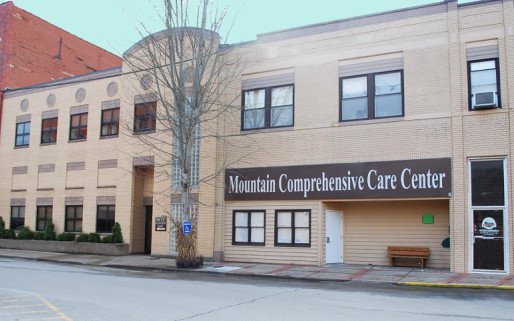
  2. Mountain Comprehensive Care Center Floyd County OP Clinic
    Outpatient Telemedicine

    5/5

    4 Accreditations

    Insurance Accepted

    Cash Pay Rate

    Supporting individuals struggling with substance dependence through evidence-based outpatient recovery programs. An ideal solution for those seeking help with addiction, but who have commitments that prevent them from attending residential treatment.

    Substance abuse icon Substance abuse Alcoholism icon Alcoholism Co-occuring icon Co-occuring Mental health icon Mental health Counselling icon Counselling DUI/ DWI icon DUI/ DWI MAT icon MAT +
    Private health insurance icon Private health insurance State Insurance icon State Insurance Medicare icon Medicare Sliding Fee Scale icon Sliding Fee Scale +
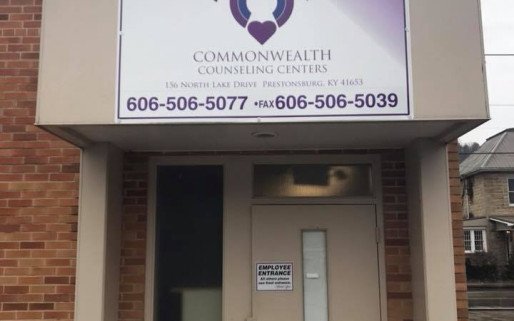
  3. Commonwealth Counseling Centers
    Outpatient Telemedicine

    Prestonsburg, Floyd, KY

    5/5

    4 Accreditations

    Insurance Accepted

    Cash Pay Rate

    Enhancing the well-being of individuals grappling with substance dependence by offering evidence-based outpatient recovery support. Encompassing substance monitoring, relapse strategies, and recovery guidance so patients conclude their treatment equipped to manage their addiction long-term.

    Substance abuse icon Substance abuse Alcoholism icon Alcoholism Co-occuring icon Co-occuring Mental health icon Mental health Counselling icon Counselling Gambling icon Gambling MAT icon MAT +
    Private health insurance icon Private health insurance State Insurance icon State Insurance Medicare icon Medicare Sliding Fee Scale icon Sliding Fee Scale +
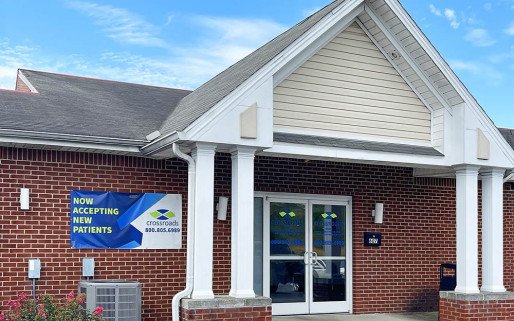
  4. Crossroads Treatment Centers Somerset PSC
    Outpatient Telemedicine

    5/5

    5 Accreditations

    Insurance Accepted

    Cash Pay Rate

    Helping to improve the quality of life for those with drug addiction by delivering evidence-based outpatient recovery services. Services include drug monitoring, relapse prevention, and counseling to ensure all visitors finish their treatment program equipped with the right tools to achieve long-term recovery.

    Substance abuse icon Substance abuse Counselling icon Counselling MAT icon MAT +
    State Insurance icon State Insurance Medicare icon Medicare SAMHSA Funded icon SAMHSA Funded Sliding Fee Scale icon Sliding Fee Scale +
  5. Covington Treatment Center Metro Treatment of Kentucky LP
    Outpatient Telemedicine

    5/5

    4 Accreditations

    Insurance Accepted

    Cash Pay Rate

    Located in a safe and nurturing environment, this rehab adopts a holistic philosophy for addiction recovery, emphasizing both clinical treatment and compassionate care. It combines evidence-based therapies with personal growth initiatives, fostering a clear path to healing and self-reliance in overcoming substance use.

    Substance abuse icon Substance abuse Counselling icon Counselling MAT icon MAT +
    State Insurance icon State Insurance Medicare icon Medicare Sliding Fee Scale icon Sliding Fee Scale +
  6. Ultimate Treatment Center
    Outpatient Telemedicine

    Ashland, Boyd, KY

    5/5

    5 Accreditations

    Insurance Accepted

    Cash Pay Rate

    A supportive addiction rehab that guides individuals through integrated therapy, counseling, and assisted detox to help them overcome substance use disorder. Specialists are on hand to support visitors with supervised detox and develop a long-term treatment and recovery program that is tailored to their needs.

    Substance abuse icon Substance abuse Detox icon Detox Counselling icon Counselling MAT icon MAT +
    State Insurance icon State Insurance Medicare icon Medicare Military Insurance icon Military Insurance SAMHSA Funded icon SAMHSA Funded Sliding Fee Scale icon Sliding Fee Scale +
  7. JourneyPure Bowling Green
    Outpatient Residential Partial hospitalisation Telemedicine

    Bowling Green, Warren, KY

    5/5

    2 Accreditations

    Insurance Accepted

    Cash Pay Rate

    Offers a safe and welcoming environment for those seeking personalized addiction treatment. This residential setting utilizes medically supervised detoxification, as well as therapeutic interventions such as CBT, relapse prevention, and motivational interviewing, which are tailored to each visitor's needs, providing the greatest possible chance for recovery.

    Substance abuse icon Substance abuse Alcoholism icon Alcoholism Co-occuring icon Co-occuring Detox icon Detox Mental health icon Mental health Counselling icon Counselling MAT icon MAT +
    State Insurance icon State Insurance Military Insurance icon Military Insurance SAMHSA Funded icon SAMHSA Funded Sliding Fee Scale icon Sliding Fee Scale +
  8. Shepherds House Inc
    Outpatient Residential

    Lexington, Fayette, KY

    5/5

    4 Accreditations

    Insurance Accepted

    Cash Pay Rate

    Provides dedicated and experienced care to individuals requiring co-occurring disorder treatment for addiction and mental health issues. The peaceful residential setting and professional staff ensure clients can relax while receiving a tailored treatment program designed to address all aspects of addiction and mental health equally.

    Substance abuse icon Substance abuse Alcoholism icon Alcoholism Mental health icon Mental health Counselling icon Counselling MAT icon MAT +
    State Insurance icon State Insurance +
  9. Healing Place Womens Facility
    Residential

    Louisville, Jefferson, KY

    5/5

    2 Accreditations

    Insurance Accepted

    Cash Pay Rate

    Empowers clients through their addiction treatment with a compassionate approach to care in a welcoming residential setting. By combining evidence-based behavioral therapies, personal development skills, and aftercare services, this facility offers a comprehensive approach that guides clients through every step of their recovery journey.

    Substance abuse icon Substance abuse Alcoholism icon Alcoholism Detox icon Detox Counselling icon Counselling +
    Medicaid icon Medicaid +
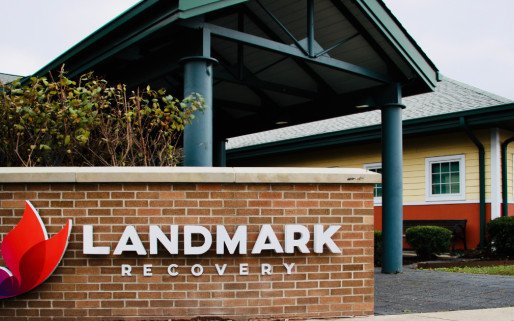
  10. Landmark Recovery of Louisville
    Outpatient Residential Partial hospitalisation

    Louisville, Jefferson, KY

    5/5

    3 Accreditations

    Insurance Accepted

    Cash Pay Rate

    Offers a warm and compassionate environment for those who try to free themselves from drugs and alcohol. This residential setting offers detoxification as well as therapeutic interventions, such as CBT, relapse prevention, and contingency management, which are tailored to each visitor's needs, providing the greatest possible chance for recovery.

    Substance abuse icon Substance abuse Alcoholism icon Alcoholism Co-occuring icon Co-occuring Detox icon Detox Mental health icon Mental health Counselling icon Counselling MAT icon MAT +
    Military Insurance icon Military Insurance Sliding Fee Scale icon Sliding Fee Scale +
  11. Healing Place Mens Facility
    Outpatient Residential

    Louisville, Jefferson, KY

    5/5

    2 Accreditations

    Insurance Accepted

    Cash Pay Rate

    A welcoming residential setting that excels in providing evidence-based addiction treatment in a comfortable environment. Offers a targeted, results-focused approach to recovery through supervised detox combined with therapeutic interventions and counseling, all provided by attentive and experienced addiction specialists.

    Substance abuse icon Substance abuse Alcoholism icon Alcoholism Detox icon Detox Counselling icon Counselling MAT icon MAT +
    Medicaid icon Medicaid +
  12. Cumberland River Behavioral Health
    Outpatient Telemedicine

    4.9/5

    3 Accreditations

    Insurance Accepted

    Cash Pay Rate

    Assists clients in starting a new chapter in their lives by treating addiction in a comfortable and caring atmosphere. It employs a well-rounded approach of evidence-based treatments and therapies with long-term recovery planning to help clients reclaim their future and prepare for sustained sobriety.

    Substance abuse icon Substance abuse Alcoholism icon Alcoholism Co-occuring icon Co-occuring Mental health icon Mental health Counselling icon Counselling MAT icon MAT +
    State Insurance icon State Insurance Medicare icon Medicare SAMHSA Funded icon SAMHSA Funded Sliding Fee Scale icon Sliding Fee Scale +
Recovered Branding BG
Ready to talk about treatment? Call today. (833) 840-1202
Helpline Information

Calls to numbers marked with (I) symbols will be answered or returned by one of the treatment providers listed in our Terms and Conditions, each of which is a paid advertiser.

In calling the helpline you agree to our Terms and Conditions. We do not receive any fee or commission dependent upon which treatment or provider a caller chooses.

There is no obligation to enter treatment.

Access State-Specific Provider Directories for detailed information on locating licensed service providers and recovery residences in your area.

For any specific questions please email us at info@recovered.org

More Information

How long does rehab treatment take?

The average inpatient treatment program lasts between 30 and 90 days but outpatient and aftercare services may be longer.

How do I pay for rehab treatment?

Rehab facilities accept a wide range of payment options including health insurance, self-funding, grants & scholarships, and Medicaid/Medicare.

How do I choose the right rehab in Kentucky?

Speaking to a physician or healthcare expert can help you identify the severity of your substance use disorder and a suitable treatment option. You can then search our directory for a center that best meets your needs.

Can I get mental health treatment during rehab?

Yes, many rehab facilities offer treatment for co-occurring substance use disorder and mental health conditions. The provider will discuss your medical history with you before being admitted to assess if you require dual diagnosis treatment.

What treatment medications are used during rehab?

Substance use disorders may require different medication-assisted treatments depending on the substance being abused and the severity of the addiction. For opioid use disorders, suboxone, buprenorphine, and methadone are often used during detox and aftercare, while those with an alcohol addiction may receive Antabuse.

Can rehabs in Kentucky give out my information?

No, The Health Insurance Portability and Accountability Act of 1996 (HIPAA) is a federal law that prevents a patient's private health information from being shared with another party without their consent including patients attending rehab treatment.

What is a rehab like?

All rehab facilities operate differently and treatment settings can alternate what a day-to-day schedule will look like. Read here to find out more about a typical day in rehab.

Does my health insurance cover rehab?

Yes, almost all health insurance providers will cover the cost of substance use disorder and addiction treatment under their plans, as well as other mental health conditions.

How much does rehab cost in Kentucky?

Rehab treatment costs can vary greatly; with outpatient detox programs costing around $1,200 and residential inpatient services costing over $10,000. Rehab costs can almost always be covered partially or wholly by health insurance and many centers accept other payment options depending on your circumstances.

When should I seek help for addiction?

There are many indicators that you or a loved one may have a substance problem. Read our guide on the warning signs of addiction for more information or take our self-assessment.

How do I get a loved one to go to rehab?

While it’s good to share your concern for the person's well-being and health, it’s important to understand that they may not be ready or willing to get help. Most of the time, going to rehab needs to be a voluntary choice (unless court-ordered) so you cannot force a loved one into rehab.

What should I bring with me to rehab?

Each rehab center has its own set of rules and policies about contraband items, so check with the facility before you pack your things. There are also some items you may need to bring with you for admission, including a photo ID and a copy of your health insurance card, as well as clothing for several days and hygiene products.

Do I need to go to rehab for detox or can I do it alone?

If you experience signs of withdrawal when you miss a dose or stop abusing a substance, it is important to seek help at an inpatient medical detox center. Certain substances such as alcohol or benzodiazepines also pose additional health risks when use stops and medical supervision is needed to avoid serious complications.

Will I lose my job if I go to rehab?

No, The Americans with Disabilities Act (ADA) protects individuals who are attending rehab from discrimination in the workplace, meaning you cannot be fired for seeking substance use disorder treatment.

Can I go to rehab if I’m pregnant?

Yes, many rehab facilities specialize in treating expecting mothers; ensuring both mother’s and baby's health are taken care of alongside treatment for substance use disorders.

Are cellphones allowed in rehab?

While you can bring your phone with you to rehab, almost all residential facilities will ask you to hand it over along with other valuables during the admission process.

Can I still work while in rehab?

While going to rehab won’t affect your employment status, almost all facilities do not allow remote working during treatment. This is to ensure patients are free from outside distractions and can focus on healing.

Can I visit someone in rehab?

Yes, though all rehabs will have their own visitation policy and most won’t allow outside visits within the first 14-30 days.

See more
Check Your Insurance Coverage

Drug abuse in Kentucky

Kentucky has a population of 4,509,394 people. The most recent data from the 2021 National Survey on Drug Use and Health (NSDUH) found that 527,000 people over the age of 12 had abused illegal substances in the past month, around 11.69% of the population. 468,000 reported marijuana use in the past month and 683,000 in the past year. The report also found that 80,000 Kentucky residents had abused cocaine in the past year, 90,000 had abused meth, and 168,000 had abused prescription pain medication. 71,000 people over the age of 18 reported using heroin in the last year. Those reporting opioid misuse including heroin, painkillers, and fentanyl in Kentucky totaled 202,000 people.

Alcohol abuse in Kentucky

Alcohol misuse was also reported in Kentucky with 1,631,000 people over the age of 12 saying they had used alcohol in the last month and 829,000 reporting binge drinking. The perceived risk of people over 12 years of age indulging in problematic alcohol use (5 or more drinks twice a week) in a month was 1,629,000 people.

Drug overdose deaths in Kentucky

In 2021, Kentucky saw a total of 2332 recorded drug-related overdose deaths. This includes those that were accidental or unidentifiable but excludes those that were related to suicide or homicide. This puts the overdose death toll in Kentucky at 51.7 people per 100,000. The total number of alcohol-related deaths (including overdose and all other causes) was 689 or 15.2 per 100,000 people.

Addiction treatment statistics in Kentucky

The NSDUH report also recorded the total amount of substance abuse disorders in Kentucky and those who currently require treatment. The report found that 715,000 were recorded as having a substance use disorder (SUD) and 402,000 had an alcohol use disorder. 187,000 people were recorded as having an opioid use disorder including those with painkiller, heroin, and other opioid-based drug use disorders. There are also many who have been diagnosed with or reported a substance, illicit drug, or alcohol use disorder that require rehab treatment and are not receiving it. The report found that 311 people in Kentucky needed treatment for illicit substance abuse, 399,000 required treatment for an alcohol use disorder, and 561,000 needed treatment for a diagnosed substance use disorder.

What treatment options are available in Kentucky?

The goal of any rehab facility is to help prepare you for a rehab-free life. They can achieve this by using various treatment methods proven to help most individuals manage drug and alcohol addiction.

Finding the right treatment for you is crucial. The wrong treatment programs or methods will not help you find good coping mechanisms, and you can quickly relapse.

Depending on your addiction, you might need inpatient or outpatient treatment services. Rehab centers in Kentucky provide these and other treatment options like residential aftercare to ensure your recovery.

Before deciding, you should consider all the treatment options in Kentucky rehab centers. They include:

  • Cognitive Behavioral Therapy
  • Anger Management
  • Motivational Interviewing
  • Opioid detox
  • Group and Individual Counseling
  • Addiction treatment for teens
  • Trauma-related Counseling
  • Telemedicine therapy
  • Substance abuse disorder counseling
  • Addiction treatment for seniors
  • Relapse prevention

Addiction treatment for teens and young people in Kentucky

Kentucky has many rehab centers that offer specialized programs for teenagers and young adults with addiction problems. Many young adults struggling with alcohol or drugs usually have other underlying disorders like anxiety and depression. 

Rehab centers offer treatment services like behavioral therapy that help address the actual psychological issues that could have led to increased drug use.

 Some of the rehab centers with addiction treatment for teens include:

  • Communicare Inc
  • Pennyroyal Center
  • Life Skills Inc
  • KVC Behavioral Health care Kentucky
  • New Vista
  • Mountain Comprehensive Care Center 
  • Dave Harmon and Associates Inc
  • Methodist Home of Kentucky
  • Four Rivers Behavioral Health
  • Gateway Children Services

How do I pay for rehab in Kentucky?

What you end up paying for rehab treatment depends on the facility you choose and the kind of care you need to overcome your addiction.

Getting private or public health insurance will help reduce the money you have to pay in cash to access treatment services. Most Kentucky rehab centers accept state-funded assistance like Medicaid, opening rehab treatment services accessible to more people who need it.

If you do not qualify for public insurance or can't afford to raise the premiums for private insurance, you should look for state-funded centers that offer low-cost addiction treatment services.

Government assistance for addiction treatment in Kentucky

The Kentucky Cabinet for Health and Family Services has a Department of Medicaid Services that offers its beneficiaries behavioral health and substance abuse disorder treatment.

Some of these treatment services include assessments to define the nature of your problem, screening to evaluate the presence of substance use, psychological testing, and crisis intervention.

Other services provided by the Department of Medicaid include day treatment, an intensive treatment program for children and youth younger than 21 years old, peer support, an intensive outpatient program, and outpatient therapy for an individual, group, or family member.

This department offers referrals to appropriate treatment and specialized care for individuals suffering from substance abuse.

You can reach the department of Medicaid Services at (800) 221-0446.

Related guides

Additional Resources for Addiction and Mental Health Treatment
Paying for Addiction Treatment

Addiction treatment costs vary greatly depending on if it's a luxury rehab center, whether it’s an inpatient or outpatient treatment program, the type of treatment required, and whether the program accepts insurance or is self-pay only. There is a wide range of different options for addiction treatment, and most people can find an option that fits within their budget. While treatment for an addiction can be costly, it is also an important investment in your health, your life, and your future, and one that will likely pay you back for years to come. Most addiction rehabs accept three types of payment options; insurance, financial aid, or financing.

Medications Used to Treat Addiction

Detoxification can be a challenging process, as withdrawal symptoms can be very uncomfortable, and for some substances, withdrawal may even be life-threatening. Doctors in inpatient and outpatient rehab often utilize medication-assisted treatment (MAT) to ease the process of withdrawal, reduce cravings, and support early substance use recovery efforts.

Drug and Alcohol Detox

Often referred to as 'the cleanse', detoxing from drugs and alcohol can be dangerous, causing both physical and psychological stress and discomfort. Depending on the substance you are detoxing from and how much and how often you used it, you may benefit from a medically supervised detox. Most times, this is provided in an inpatient treatment facility and the aim is to help keep you comfortable while the drug leaves your system.

Inpatient And Residential Rehab

Inpatient rehabilitation treatment involves a range of interventions and activities to help people manage substance abuse issues, including addictions to alcohol, opioids, benzodiazepines, and amphetamines. Inpatient treatment can provide a safe and drug-free environment for people who require 24-hour care when withdrawing or recovering from substance addiction.

Outpatient Substance Use Disorder Treatment

Outpatient rehabilitation treatment can help people with substance use disorders who require support but do not need intensive care for severe symptoms and require the flexibility offered by an outpatient program. Outpatient programs can be of varying intensities, depending on the needs of the individual, and also vary in cost.

Alcohol, Substance Abuse, and Co-Occurring Disorders

Over half of people who suffer from a mental illness disorder or a substance abuse problem will have the other at some point in their lives.

Helping a Family Member or Friend

If someone you know and care about, be they a friend, coworker, or family member is suffering from an alcohol or drug abuse problem it can be hard to know what to do or how you can help. Not only can their behavior have a negative impact on your life as well as theirs, but it may also be difficult to confront them about their problem. Ultimately, whether someone decides to get help with an alcohol or drug abuse problem is up to them but being able to support and talk to someone about their problem may give them the incentive they need to seek help. Still, confronting them the wrong way can make them defensive and less likely to listen or be receptive to what you have to say.This article will provide some tips on what to do and say (and what to avoid doing or saying) to someone who is struggling with an addiction.

Support Groups

In addition to rehab, detox, professional therapy, and prescription medication, people with addictions frequently turn to each other, seeking emotional support, accountability, techniques for managing urges, and sober communities. Mutual aid fellowships, such as the 12-step programs pioneered by Alcoholics Anonymous (AA) and secular alternatives, offer free, community-based, confidential meetings to help people reach recovery and stay on the right path.

Addiction and Mental Health

Substance abuse disorders and mental health conditions frequently co-exist, as people turn to addictive substances to self-medicate, and those substances cause and aggravate existing mental health symptoms. Substance abuse and mental health disorders may also share the same underlying causes, including genetics and early trauma.

Therapy For Addiction

Typical psychosocial therapies that are used for addiction include cognitive behavioral therapy (CBT), motivational interviewing (MI), and contingency management (CM). These may be augmented by other types of therapy, including pharmacological therapy and holistic therapies.

Relapse Prevention

Relapse is one of the most difficult parts of recovery to manage and is often a constant battle for those who are overcoming addiction. While avoiding relapse will often be a lifelong challenge, it does not need to be an ordeal and there are many ways to avoid substance misuse.

Sober Living Homes

Quitting alcohol and drug abuse can be a challenging, arduous process. If you or a loved one has completed their stay at an addiction treatment center and detoxed effectively, it’s time to take the next step towards sustaining sobriety. Losing the accountability that the structure of a treatment program provides, you may worry that your recovery could be impeded. A sober living home may make the transition back to normal life easier.

Remote Addiction Recovery Services

Remote addiction treatment allows patients to connect with healthcare addiction specialists remotely and has shown high success rates. This guide discusses different types of online treatment and how they work, rural-specific challenges, and where to find the best remote healthcare providers.