

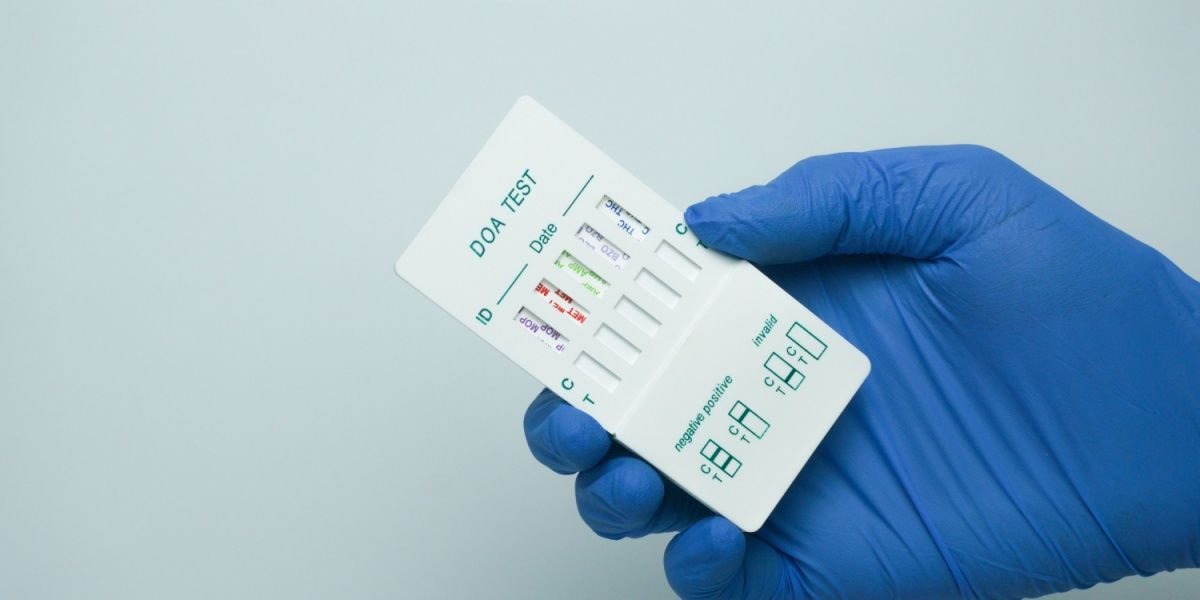
At-home drug tests can provide information about an individual’s recent substance use by analyzing samples of urine, saliva, or breath. [1] These tests can be easily purchased online and can help monitor substance use in those suffering from addiction. However, they are not 100% reliable, and proper use is needed to maximise accuracy.
- At-home drug tests can be easily purchased online or in stores and can test for a variety of different substances.
- If used correctly, at-home test kits can be reasonably accurate; however, they do sometimes produce false negative and false positive results.
- If an at-home drug test is positive, a sample should be sent to a lab for gas chromatography/mass spectrometry testing to confirm the result.
What are "at-home drug tests"?
At-home drug tests have been FDA-approved since 1997 and are available without a prescription. [2] These kits contain everything needed to test biological samples for specific substances without requiring a visit to a lab or clinic. [1] While urine is the most commonly tested sample, some tests can also analyze saliva, hair, or breath. The convenience of at-home testing allows for use anywhere, with results often available within minutes.
These tests range widely in price and scope, from inexpensive single-use alcohol tests to more comprehensive multi-drug panels. [3] They can serve as valuable monitoring tools during addiction treatment, and should be used in combination with the individual’s self-reported drug use. [1]
Types of at-home drug tests
Many at-home drug tests analyze for one substance, but multi-drug combination tests are also available.
- For urine tests, the sample is collected in a container and then analyzed at home using a test strip, which changes color in the presence of certain substances.
- Saliva tests involve taking a swab from the mouth, and hair tests require a strand of hair to be plucked for analysis. These tests require the samples to be sent to a lab for testing and final results.
- Breath tests can also be used to test for certain substances, such as alcohol, with at-home analysis and immediate results.
What substances do they detect?
At-home drug tests can detect the majority of common substances of abuse, including: [4]
- Alcohol
- Cannabis
- Cocaine
- Opiates
- Amphetamines
- Methamphetamines
- Benzodiazepines
- Barbiturates
- PCP
- MDMA
The detection window varies between the substance being tested for and the type of sample being used. [4] Substances are generally present in saliva for up to 2 days after consumption, in urine for up to 1 week, and in hair for up to 3 months. [4] Because of this, random drug testing, rather than planned, can increase accuracy by not providing time for the individual to abstain before the test. [4]
The amount of time a drug stays in the system and can be detected also varies by the type of substance. For example, marijuana can often be detected weeks after the last use, while drugs like cocaine may only stay in the system for a few days. For these reasons, at-home drug tests may need to be administered more frequently to ensure detection of drugs with shorter half-lives.
Accuracy of at-home drug tests
At-home drug tests are reasonably reliable; however, they are not 100% accurate. [5] These test results can be affected by numerous other factors, including the recent consumption of certain foods, supplements, and prescribed medications. [5] Not following the instructions on how to administer tests and read results can also affect the accuracy of test results. [5]
To become FDA-approved, at-home drug tests must pass an evaluation demonstrating they are accurate, safe, and effective. Therefore, FDA-approved tests are generally more accurate and reliable than those that are not FDA-approved. This can be verified by typing the brand name of the drug test into the FDA’s website.
False positives and false negatives
False positive and false negative results can be seen with at-home drug tests.
- False positives can be caused by consuming certain prescription or over-the-counter medications that are chemically similar to the substance being tested. [6] Food and beverages can also lead to false positives; for example, consuming poppy seeds can lead to a false positive opiate test. [6]
- False negative results can be caused by several factors. This includes testing an insufficient sample, tampering with the sample, or testing outside the typical detection window. [7]
The role of confirmatory testing (GC-MS)
Gas chromatography/mass spectrometry is the gold standard test for identifying substances, as it is highly specific and accurate. These require the involvement of an outside lab to verify the results of an at-home drug test. [8] If the at-home drug test suggests a positive result, a sample should be sent to the lab for GC/MS to confirm the presence of certain substances in the sample. [8]
At-home drug tests vs. Laboratory tests
Below is a comparison table between at-home drug tests and laboratory drug tests:
| Criteria | At-home tests | Laboratory tests |
|---|---|---|
| Reliability | Fairly reliable, but false positives and negatives can be seen. | Highly reliable, with GC/MS being the gold standard test. |
| Cost | Inexpensive tests with no specialized equipment required. | Expensive due to specialist equipment requirements, maintenance, and running costs. |
| Time | Results are usually available instantly after testing or within a few minutes, depending on the test instructions. | With sample preparation and data evaluation, the total time can be several days. |
| Convenience | Highly convenient, the tests can be done anywhere at any time. | Samples can only be tested at designated labs. |
| Legal acceptance | Due to false positives and negatives, at-home tests are not legally accepted. | Results would be legally accepted. |
Using at-home drug tests effectively
To maximize the safety and accuracy of at-home drug tests, it’s important to follow the manufacturer's instructions carefully. The exact process can be different with each test kit, so even if you have used at-home drug tests before, it’s vital to follow the instructions provided. The test kit should be stored according to the package guidelines and should be used before the expiration date.
When collecting samples, ensure the testing environment is clean and that hygiene is maintained. For urine tests, use a clean collection container and avoid contaminating the sample. For saliva tests, avoid eating and drinking for at least 10 minutes before sample collection. Once collected, the sample should be tested promptly to avoid contamination or degradation of the sample, which would reduce accuracy.
Tips for parents: Communicating with your children
For kids and teens with a history of substance abuse, at-home drug screens might be an important part of parental supervision that ensures the safety of a child. Below are some tips for parents considering at-home drug testing for their child:
- Approach the situation with sensitivity and open communication.
- Have an honest conversation with your child about substance use concerns to help maintain trust.
- Establish clear expectations and consequences.
- Random testing is generally more effective than scheduled testing, as it prevents individuals from abstaining temporarily before a known test date. However, your child’s privacy and autonomy should be respected.
- If substance use is suspected, consider consulting with a healthcare professional.
What to do after a positive test
A positive at-home drug test result should be treated calmly and without judgment. The first step should be to send the sample for laboratory testing using GC/MS, which will verify the accuracy of the results. While awaiting confirmatory results, have an open conversation with the individual being tested, ask about any prescribed medications, supplements, or foods that may have caused a false positive result.
If the laboratory test confirms substance use, consider the context and frequency of use. Occasional experimentation requires a different response than dependent drug use. If the individual is undergoing addiction, mental health, or psychiatric medication treatment, the professional overseeing this should be informed. Try to focus on understanding the underlying reasons for substance use and exploring appropriate support options.
Considering treatment and professional support
If you, or someone you know, is struggling with drug use, it’s important to consider reaching out to a healthcare professional. There are lots of treatment and support options available, ranging from inpatient detox to local support groups.
If you’re not sure whether you require professional support, it’s recommended if you suffer from withdrawal symptoms or find it difficult to function without a certain substance. These are both signs of drug dependence. Medical professionals can complete a thorough review and tailor an appropriate treatment plan to your needs.