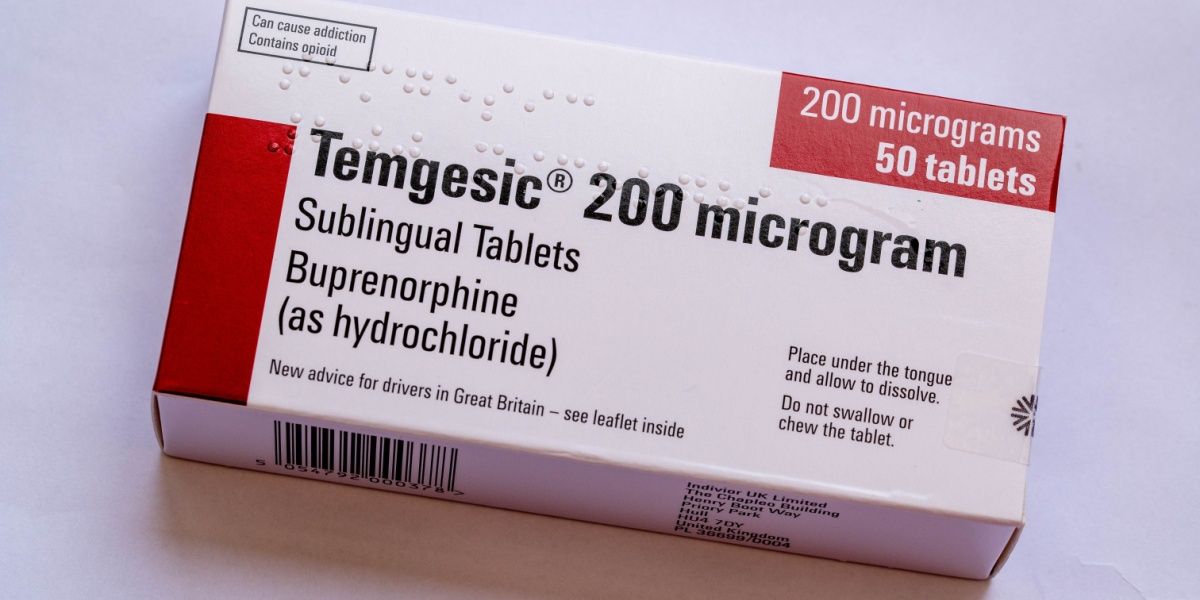

Buprenorphine is a medication used in the treatment of opioid use disorder. It can be a safe and effective treatment that can support people when withdrawing from opioid use and maintaining abstinence. Stopping buprenorphine might result in some withdrawal symptoms. As such, it should be gradually reduced with professional advice and monitoring.
- Stopping buprenorphine treatment might result in uncomfortable withdrawal symptoms like anxiety, muscle aches, cramps, sweating, yawning, nausea, and opioid cravings.
- Withdrawal symptoms are more likely when buprenorphine is abruptly stopped, so it should always be reduced slowly with a tapering schedule.
- It is not always necessary to stop buprenorphine treatment, and it can be continued indefinitely if medically necessary.

How buprenorphine works
Buprenorphine is an opioid medication used in the treatment of opioid use disorder (OUD) and certain chronic pain conditions. It is available in various formulations and strengths, including buccal and sublingual films, a transdermal patch, injections, implants, and as a combination medication with naloxone. [1]
Buprenorphine is a partial opioid agonist at the mu-opioid receptor and antagonist at the kappa-opioid receptor. It has a high binding affinity to the mu receptor. This prevents other opioids from binding to the receptor, thereby blocking their effects. [2]
Buprenorphine does not typically cause a euphoric effect, reducing its potential for misuse and addiction. It also exhibits a ceiling effect, meaning that its effects plateau at a certain dose, reducing the risk of overdose and toxicity. [2]
Why buprenorphine withdrawal occurs
Buprenorphine cessation can result in withdrawal symptoms, particularly if it is used long-term and then stopped suddenly. Because of this, the prescribing doctor will gradually reduce the dose when discontinuing buprenorphine treatment. [3]
Long-term use of buprenorphine causes the body to adapt to the regular presence of the substance and results in the development of physical dependence. When treatment is stopped, the medication's effects suddenly end, and the body is unable to adapt to this change quickly, thereby leading to psychological and physical symptoms. [2][3]
Buprenorphine withdrawal symptoms
Acute physical symptoms
Psychological symptoms
Post-acute withdrawal symptoms (PAWS)
Sometimes, people experience protracted withdrawal symptoms that remain for several weeks or months after stopping buprenorphine. Post-acute withdrawal symptoms (PAWS) may occur when discontinuing buprenorphine treatment, such as nausea, sleep difficulties, and cognitive impairments. [6]
Severity vs. other opioid withdrawal
As a partial opioid agonist, buprenorphine leads to less severe physical dependence compared to full agonists, thus causing milder withdrawal symptoms. Conversely, buprenorphine has a longer half-life than many opioid agonists, which can result in a longer duration of withdrawal symptoms, although they are often less intense. [2]
Buprenorphine withdrawal timeline
Buprenorphine withdrawal symptoms can begin around 24-48 hours after the last dose. They likely peak on days three and four, reaching their worst during this time. Then, symptoms will gradually reduce over a fortnight, although some people experience residual symptoms for 2-4 weeks or longer. [3]
Factors affecting withdrawal severity
Buprenorphine withdrawal symptoms can be more severe if:
- Buprenorphine is stopped abruptly, without a gradual taper
- Buprenorphine has been misused, such as via unintended administration methods or large doses
- The individual has a history of mental or physical health conditions that become exacerbated by withdrawal
- There is a history of illicit opioid use and dependence
Buprenorphine vs. Methadone withdrawal
Methadone withdrawal symptoms are reportedly more common than buprenorphine, due to the full agonist action of methadone. However, like buprenorphine, discontinuing methadone should be done only with professional advice, a tapering schedule, and careful monitoring. Gradual tapering can reduce the risk of withdrawal symptoms. [2][7]
Choosing between methadone and buprenorphine will depend on the individual and their treatment needs. Both can be effective treatments for OUD. This decision, as well as the decision to discontinue either treatment, should be discussed and implemented with professional support. [2]
Safe tapering strategies and management of withdrawal symptoms
When discontinuing buprenorphine treatment, it is important to make gradual dose reductions to help reduce the risk of withdrawal symptoms. A safe tapering schedule varies by individual and circumstances and can continue over several months. [2][4]
As such, the prescribing doctor will review the individual and make recommendations and adjustments based on their needs and responses to each dose reduction. For example, if a dose reduction causes unmanageable withdrawal symptoms, tapering can be paused, or the previous dose reinstated, then resumed with smaller reductions.
It is also helpful during this time to consider the individual’s recovery goals and additional treatment interventions, as this can reduce the risk of relapse and help maintain other treatment. [2]
Relapse prevention after stopping buprenorphine
People receiving buprenorphine treatment for OUD may be at risk of relapse when discontinuing the medication. Therapeutic interventions and other recovery support should begin or continue during this time to help manage this risk. If relapse occurs, buprenorphine treatment can be restarted. [1][4]
A key part of this process is relapse prevention planning, which is often completed with professional support. This can help individuals manage any returning cravings or triggers that they experience during buprenorphine discontinuation. [4][8]
People can experience a significant reduction in opioid tolerance during buprenorphine treatment, meaning that their risk of overdose is extremely high if they return to illicit opioid use. Using a dosage that they might have used prior to treatment can now be a dangerous or even fatal amount. [1]
Long-term buprenorphine use: Is it safe to stay on?
Buprenorphine is safe to use long-term, and many people continue on the medication indefinitely to help maintain abstinence and recovery. For some people, it is not necessary to continue with the treatment long-term, while for others, it may be crucial to their maintained recovery.
Generally, longer buprenorphine treatment duration is associated with better outcomes. Treatment guidelines do not specify a duration but recommend at least 3 to 6 months of treatment, while research indicates that treatments lasting over 15 months yield the most positive outcomes. [1][9]
When to contact a healthcare professional
People taking buprenorphine should have regular medication reviews with the prescribing physician to monitor safety and effectiveness. Aside from these reviews, it may be necessary to contact a healthcare professional if:
- Serious adverse effects emerge
- Relapse occurs
- An overdose is suspected
- The medication is ineffective
- Other medications are required that might interact with buprenorphine
In an emergency, such as a suspected overdose, difficulty breathing, or loss of consciousness, call 911 immediately.
Conclusion
Buprenorphine can be a safe and effective treatment for OUD and can be safely continued long-term. Buprenorphine should not be stopped without professional advice, and a tapering schedule should always be followed to reduce the risk of withdrawal symptoms.



-guide-detail.jpg?v=1756808727)