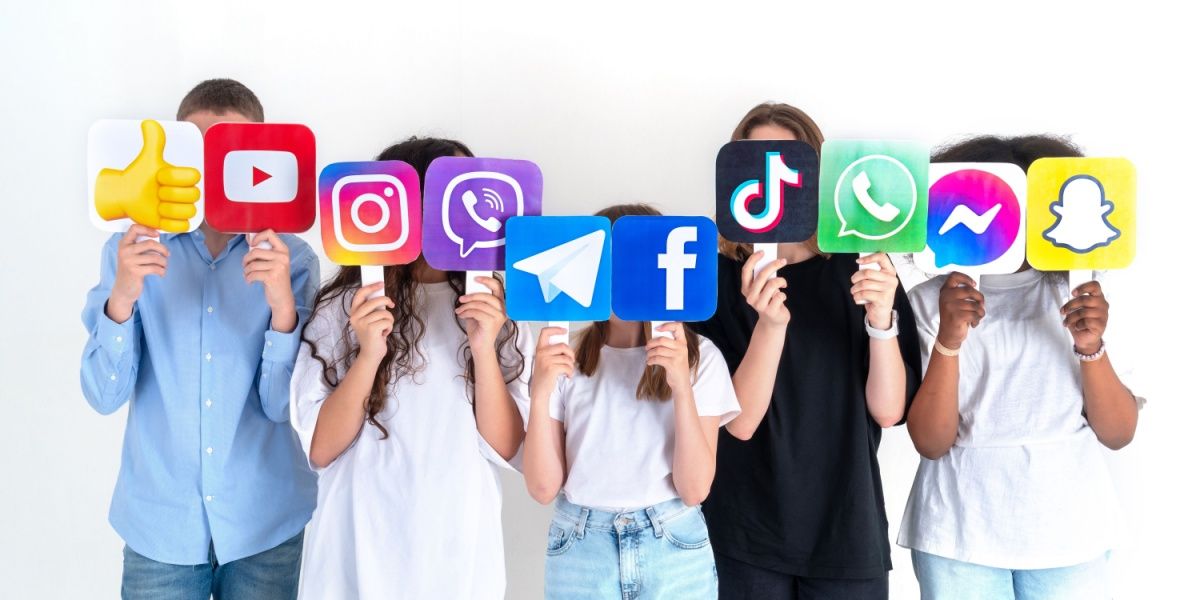

Increasingly, problematic and excessive smartphone use has been found to impact mental and physical well-being. More recently, research has also indicated that impairments in well-being, in particular mental and physical exhaustion, are likely to increase smartphone use in a bidirectional cycle.

Key evidence on bidirectional links
Various studies have investigated the impact of problematic smartphone use and found that it is linked to negative psychological effects, including low mood, neuroticism, impulsivity, poor self-control, and anxiety. One study (Rho et al, 2019) indicates that 74% of people who are dependent on smartphone use show a range of these psychiatric symptoms. [1][2]
Findings such as these have prompted the question: Does smartphone use lead to psychological effects, or do psychological issues increase the likelihood of smartphone use? More recent research has begun to investigate this link, specifically between problematic smartphone use and emotional exhaustion, and whether each affects the other in a bidirectional link.
A new study (Li, Chen, Hou, & Zhou, 2026) found a bidirectional link between emotional exhaustion and problematic smartphone use in the workplace. This suggests that workplace-related mental health impairments and fatigue can increase the likelihood of problematic smartphone use and vice versa. [3]
Pathway 1: How exhaustion fuels problematic phone habits
People may become physically and mentally exhausted from pressure and responsibilities, such as at work or in their academic studies. Some people may choose to cope with these negative emotions by using their smartphone, excessively scrolling social media, for example, as an escape, distraction, or relaxation technique. [5] They might also experience reduced or affected sleep due to stress or late-night smartphone use, thus increasing exhaustion. [3][4]
Emotional exhaustion causes impairments in self-control and cognitive functioning, leading to reduced impulse control, attention, and memory. People might then use their smartphone more as they lack the self-control to prevent excessive use or because fatigue has led to mindless or automatic use. [1][5]
Similarly, cognitive impairments and fatigue can lead to increased feelings of stress, irritation, depression, and anxiety.
Pathway 2: Smartphone overuse's toll on energy & cognition
It has become widely accepted that excessive and problematic smartphone use contributes significantly to impairments in well-being, particularly decreased academic and professional functioning, social skills, sleep quality, and attention, and increases in mental health issues such as depression and anxiety. [6]
For example, problematic smartphone use can significantly disrupt sleep patterns and sleep quality. Research shows a notable link between excessive smartphone use and bedtime procrastination (delays in the onset of sleep), which reduces sleep time and increases fatigue. [4]
Additionally, anxiety and depression symptoms, which are commonly caused or exacerbated by excessive smartphone use, include sleep disruptions, apathy, and reduced energy and cognitive function.
Research also shows that people who use social media excessively can develop social media fatigue (SMF), characterized by mental and physical exhaustion. Overstimulation related to excessive social media use can become overwhelming, leading to SMF and symptoms of anxiety and depression. [1]
These two pathways work in a cycle, reinforcing one another. As fatigue and exhaustion increase in daily life or due to smartphone use, people may use their phones more to cope with negative physical and mental symptoms. Increased smartphone use contributes to worsened mental health and increased fatigue, thus creating a bidirectional cycle.
Mediators and risk factors
Much of the research into this topic highlighted the importance of self-control and regulation in mediating problematic smartphone use. People with higher levels of self-control are more likely to refrain from excessive use, whereas those with lower levels are less likely. [1][3][4][5]
Other factors linked to excessive smartphone use and associated exhaustion include: [5][6]
- Impaired interpersonal relationships and social functioning, leading to isolation and loneliness.
- Symptoms of depression, stress, and anxiety.
- Anhedonia, or a lack of interest and enjoyment in activities (usually those that were once preferred).
- Boredom and sensation-seeking behaviors.
- Insecure attachment.
- Poor emotional regulation.
Long-term implications for mental health & addiction
Continuing this bidirectional cycle long-term can have significantly detrimental effects on an individual’s mental and physical well-being, much like the impacts of substance and behavioral addictions.
Excessive smartphone use and prolonged mental and physical exhaustion are likely to result in increasingly worsening mental health symptoms, particularly anxiety and depression. Similarly, the impact of reduced sleep quality and quantity over a prolonged period can severely worsen these conditions. [7]
Chronic fatigue and sleep disturbances can increase the risk of serious health issues, including heart conditions, diabetes, and neurological decline. Exhaustion and impaired cognition can also increase the likelihood of accidents and injuries.
Evidence-based recovery strategies
To manage excessive smartphone use or internet addiction, it may be necessary to utilize professional support. This could include engaging in behavioral therapy, such as cognitive behavioral therapy (CBT), which helps the individual identify and modify harmful behaviors, recognize and manage underlying psychological issues, and create and implement positive coping strategies. [7]
Other techniques can also be used to help reduce smartphone use and implement healthier online habits, such as: [7]
- Mindfulness techniques
- Digital detox programs
- Parent education and intervention
It can also be beneficial to implement some techniques at home, such as:
- Setting limits on smartphone use, or limiting time spent on specific apps.
- Restricting times or places, such as while eating dinner or in the bedroom.
- Turning off notifications or deleting certain apps.
- Engaging in other activities or hobbies to distract from smartphone use, engage socially with others, and develop different interests.
- Utilizing sleep hygiene, including no screens in the 90 minutes before bed, ensuring the room is dark and quiet, and engaging in relaxation before sleep, such as a bath or reading a book.
When to seek professional help
It may be necessary to seek professional help if smartphone use leads to the following:
- Decline in school grades or professional performance.
- Preferring to scroll social media rather than engaging in previously enjoyed hobbies or spending time with friends.
- Lost or declining control over the amount of time spent on a smartphone.
- Feeling distressed or irritable if unable to access a smartphone.
A primary care physician can advise on suitable interventions and may make a referral to a specialist service provider.