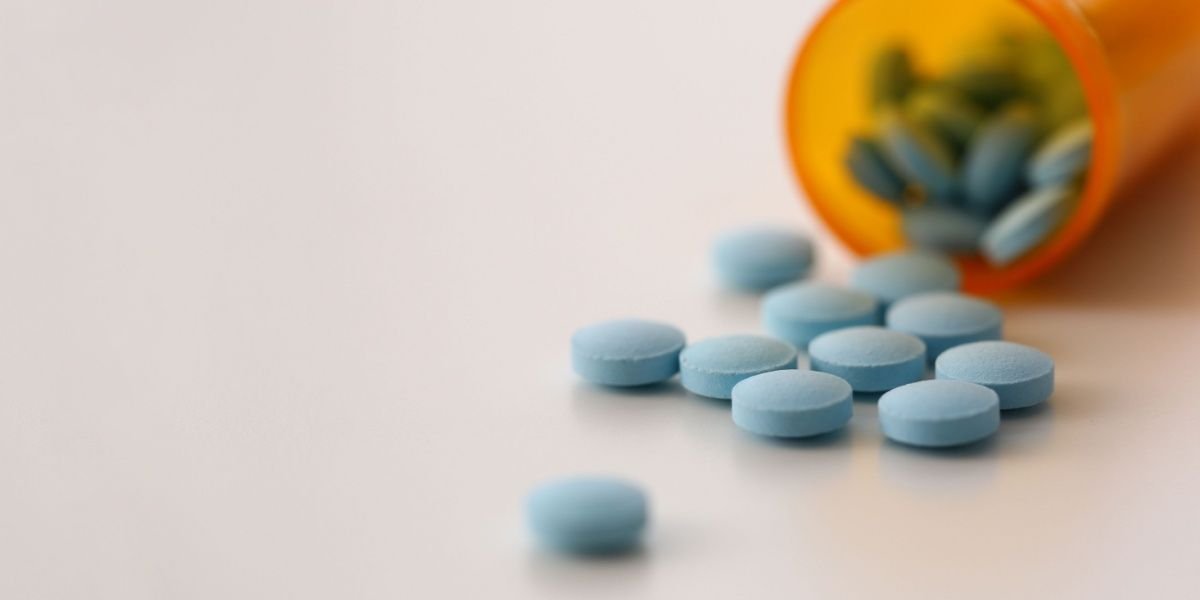

Methaqualone, commonly known as quaaludes, is a sedative drug widely prescribed in the 1960s and 70s and banned in 1984 during the “war on drugs”. However, the long-forgotten substance has recently been making a comeback in the illicit drug market, thanks to its glorification in pop-culture references. Driven by newly altered chemical formulas, its resurgence creates unprecedented dangers.

Understanding methaqualone aka “Quaaludes”
Methaqualone is a sedative-hypnotic medication, similar to a barbiturate, that acts as a central nervous system (CNS) depressant. Quaalude is a brand-name version of methaqualone, which was commonly and famously used in the 1960s and 70s, particularly in the United States. [1][2]
It was commonly prescribed for its sedative properties and marketed as a “safe” sleeping pill. People often refer to the drug class with the plural slang term, Quaaludes. [1]
Quaaludes were produced only by pharmaceutical companies and were widely prescribed, which led to the misuse and abuse of the drug. Quaaludes were placed under Schedule II of the Controlled Substances Act in 1973 due to the extent of their misuse, and later moved to Schedule I, completely banning medicinal use. [2]
Why Quaaludes were banned in the 80s
Quaaludes were commonly prescribed in the 60s and 70s, promoted as a safe alternative to sleeping pills. Initially, it was available over the counter; then, from 1973, it was prescription-only. As the number of prescriptions dramatically increased, the non-medicinal use of quaaludes also skyrocketed, along with clandestine production. [2][3]
Issues relating to overdoses, dependence, and car accidents while driving under the influence became commonplace, highlighting the drug’s significant dangers. In 1984, quaaludes were reclassified to Schedule I, making them illegal to prescribe and possess, with no approved medical purpose. [2][3][4]
President Reagan famously named his actions in this period as “The War on Drugs”. The reclassification of methaqualone in 1984 was considered the greatest success of this war, as the drug was then discontinued and prescriptions ceased immediately. [2][4]
How Quaaludes became culturally relevant 30 years after they were discontinued
The 2013 Scorsese movie The Wolf of Wall Street seemed to reignite curiosity and interest in quaaludes. A report by The Guardian includes quotes by consumers and producers of the substance, highlighting the impact of the movie: “I don’t think many people were really aware of Quaaludes before Wolf of Wall Street came out,” and “Because of Wolf of Wall Street, Quaaludes have this proper vibe to them.” [4]
Over the following years, quaaludes became increasingly produced and distributed thanks to this demand. This cinematic depiction of their use managed to transform a forgotten, retro pharmaceutical into a highly sought-after, glorified commodity for a new generation.
How Quaaludes are making their way back into the drug market
With an increase in the demand for Quaaludes, or “ludes”, underground chemists began driving their resurgence into the illicit drug market through the dark web and other underground channels. [4]
The Quaaludes being used in the 60s and 70s were predominantly genuine, medically produced pills, whereas those in the market today are almost exclusively illicitly produced. Reportedly, chemists in South Africa have continued to produce methaqualone illicitly over the last few decades, and have upscaled their production in recent years to meet the increasing international demand. [4]
Elsewhere, such as the US and Europe, chemists are creating analogs of methaqualone, which are synthetic mimics of the original drug, made by using precursors or other unregulated ingredients. Because these differ from methaqualone, these designer drugs are being sold online within legal loopholes in drug laws. [5]
Pills sold on the illicit market as quaaludes are also often counterfeit, as legitimate production ceased in 1984. These pills can contain various contaminants and alternative contents such as fentanyl, benzodiazepines, or other chemicals.
Effects of quaaludes
Methaqualone is a potent CNS depressant and can cause the following effects: [1][5]
- Sedation
- Drowsiness
- Muscle relaxation
- Calming and anxiolytic effects
- Euphoria
- Anticonvulsant properties
- Risk of dependence and addiction
- Risk of overdose
Quaaludes, particularly modern analog versions, can cause dangerous or fatal overdose, especially if combined with other CNS depressants such as alcohol, opioids, and benzodiazepines. Signs of an overdose can include: [1][3][4][5]
- Severe sedation
- Loss of consciousness
- Coma
- Spasms
- Respiratory depression
- Cardiac depression
The risks of designer Quaaludes and other drugs
The recent resurgence of quaaludes carries unprecedented dangers due to the introduction of synthetic analogs, or designer quaaludes, and counterfeit pills laced with fentanyl or other contaminants. Designer quaaludes, with altered molecular structures, are found to be up to 100 times more potent than the original. [5]
These extremely potent versions of the drug are unregulated, untested, and unpredictable, causing significantly higher risks of harm and overdose. Additionally, being unregulated, these pills are not tested for their quality or content, meaning that manufacturers could be utilizing a range of dangerous substitutions to increase profits, including fentanyl or benzodiazepines.
The use of unregulated or counterfeit pills carries a particularly high risk of accidental, and sometimes fatal, toxicity and overdose. People planning to use illicitly bought drugs should consider harm reduction strategies, such as fentanyl testing or safer drug use strategies, to help mitigate their risks.
Support is available for people with substance use issues related to quaaludes and similar illicit substances.