
Good Samaritan laws offer protection to bystanders who intervene to provide help or assistance to someone in a crisis or emergency situation. In the United States over the last ten years, Good Samaritan laws have been brought into each state’s legislation to help encourage bystanders to call for emergency medical services in the event of a drug overdose. Below is an explanation of these laws and how they are applied in each state.
- Good Samaritan laws are designed to provide protection and immunity for people who provide or seek care for others in an emergency situation.
- Each US state has its own Good Samaritan law in place specifically around overdose situations, to provide limited immunity to those who seek medical help in these circumstances.
- These laws differ by state, often applying to the person who calls for help and/or the person experiencing an overdose.

What are Good Samaritan laws?
A ‘Good Samaritan’ is a biblical phrase referring to a person who acts in good faith to help another person, regardless of obligation, compensation, or relationship. Good Samaritan laws are also based on this principle and refer to an individual who intervenes in a crisis or emergency in an attempt to help. [1]
As such, Good Samaritan laws can apply to a variety of situations, including specific laws relating to overdose. A ‘Good Samaritan’ in the context of these laws would therefore be an individual known to the person overdosing or any bystander, who makes the moral decision to intervene or seek assistance on their behalf. Examples include providing first aid, CPR, or taking other life-saving measures to someone having a medical emergency. [2]
Overdose Good Samaritan laws help ensure the safety of the individual, prioritizing the administration of life-saving care over arresting people using drugs, by providing some protection from prosecution to the person seeking help and the person experiencing an overdose. [2]
Disclaimer
The information contained on this page is provided for general informational purposes only and does not constitute legal advice under United States federal or state law. No content on this page or any other page of this website should be relied upon as legal advice. The information may be inaccurate, incomplete, or inconsistent and is subject to change without notice. No attorney-client relationship is created by use of this website.
Why do they exist?
Good Samaritan laws exist to help encourage bystanders to intervene or help in a life-threatening emergency, without needing to worry about liability or legal consequences.
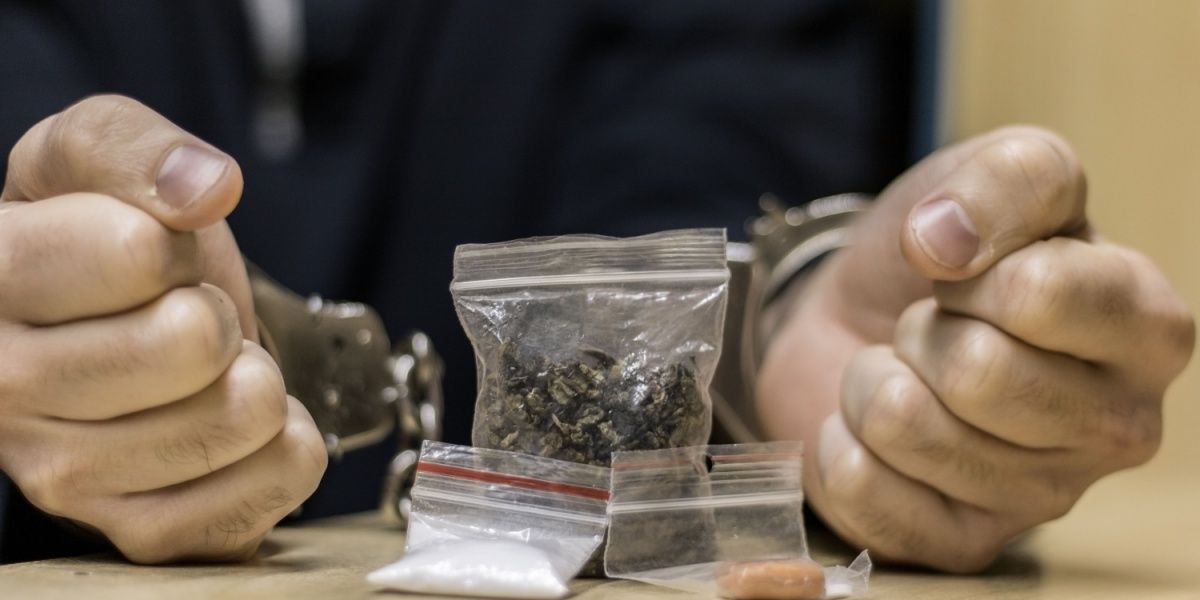
There is often reluctance to contact emergency services during an overdose situation. One reason for this is that medical professionals typically arrive at the scene with law enforcement officers. People fear they might be arrested for possessing controlled substances. [3]
In 2024, drug-related overdoses resulted in over 80,000 deaths in the United States, and many states are implementing legal and regulatory changes to help address this issue. One such change is the implementation of overdose Good Samaritan laws, which vary by state, but often aim to protect the caller or person overdosing from arrest or prosecution. [2][4]
All 50 states and the District of Columbia have enacted overdose Good Samaritan laws, with Wyoming becoming the last state to enact such a law in 2025. Each state’s laws differ, but essentially aim to protect the caller from prosecution if they are acting in the best interest of an individual experiencing an overdose.
How Good Samaritan laws save lives
Good Samaritan laws save lives by encouraging bystanders to intervene, help, and provide life-saving assistance to strangers in emergency situations. Normally, administering medication, first aid, or other assistance requires the consent of the person who is receiving help. Good Samaritan laws provide protection to people who intervene when consent cannot be obtained, even when their interventions fail or have unintended adverse effects.
Overdoses, particularly opioid-related overdoses, can be life-threatening. Good Samaritan laws aim to encourage bystanders to seek professional help by protecting them from certain arrestable offenses.
More people may be inclined to call 911 on behalf of another person, helping them to receive urgent medical care, including naloxone, an opioid antagonist, which reverses the effects of opioid overdose. Opioid overdoses can result in fatality if they are not treated within the first hour of onset. As such, rapid intervention from bystanders and medical professionals can prevent serious and fatal outcomes. [5]
Breakdown of what is protected by overdose Good Samaritan laws
Overdose Good Samaritan laws vary by state, but can include: [2]
- Immunity from drug possession arrests, charges, and/or prosecution for the caller and/or the person experiencing an overdose.
- Immunity from arrests, charges, and/or prosecution relating to paraphernalia for the caller and the person experiencing an overdose.
- Immunity applies to minor drug offenses or possession of a limited amount of a controlled substance.
- Immunity to someone who administers a medication, such as naloxone, to the individual experiencing an overdose.
Generally, these protections apply to the person experiencing an overdose if they are experiencing a medical emergency and evidence of a drug-related offense was gained only as a result of themselves or another person seeking medical assistance.
Generally, these protections apply to the Good Samaritan providing help if:
- The Good Samaritan believed the situation was a genuine medical emergency.
- The assistance was provided voluntarily and free of charge.
- The person consented, or consent could not be obtained.
- They seek medical assistance in a timely manner and in good faith.
- They remain on the scene until medical assistance arrives.
- They identify themselves on the call and to the attending professionals.
- They cooperate with the requests of emergency services and law enforcement at the scene.
What isn't normally protected
Specific information about what isn’t protected varies by state. However, usually, these laws do not protect individuals if:
- Other offenses have previously occurred that resulted in action, such as a warrant of arrest or search warrant, which was enacted at the time of the overdose.
- Other crimes are committed during the request for help.
- The individual is suspected of other drug-related offenses, including trafficking and distribution.
Overdose Good Samaritan laws by state
Abbreviations included in the table:
- (SO) Seeking for others: A person seeking emergency assistance for another person experiencing an overdose.
- (SS) Seeking for self: A person seeking emergency assistance for their own overdose.
- (OD) Overdose: The person experiencing an overdose for whom emergency assistance is requested.
- (CS) Controlled substance.
The information in this table is correct and up to date as of November 2025.
State-specific rules and variations
Some states include in their overdose Good Samaritan laws specific rules or variations. Examples of these are as follows:
Limited number of immunity occasions:
- Wyoming permits immunity for up to two overdoses requiring assistance within a 12-month period. The second occasion is permitted only if the individual agrees to attend an approved treatment program.
- In Texas, both the caller and person experiencing an overdose will not be provided immunity if they have previously been defended from prosecution due to this law or if they have called for emergency services for an overdose situation within the last 18 months.
- In Iowa and South Dakota, the person reporting the overdose can only be granted immunity under this law on one occasion.
- In Ohio, immunity is provided for up to two occasions only, and if the individual receives screening and referral to a substance rehabilitation program within 30 days.
- In Tennessee, if a person experiencing an overdose has received immunity once before, any following occasions will be up to the discretion of law enforcement or the district attorney general.
Immunity is also granted to others at the scene:
- Washington DC, Maine, and Oklahoma allow immunity to extend to any witnesses at the scene or anyone who assists the caller.
- States including Maryland, Nevada, Mississippi, Georgia, Kentucky, New Mexico, Louisiana, Utah, and Delaware permit immunity to anyone who assists the caller.
- Conversely, Minnesota, Vermont, and Rhode Island require any witnesses of an overdose to intervene and assist, and they can be charged or punished if they do not.
cDuring probation or parole:
Some states, including Illinois, Mississippi, Vermont, Maryland, Nevada, Hawaii, Pennsylvania, Missouri, New Mexico, Oregon, Tennessee, Virginia, Rhode Island, Florida, and West Virginia allow individuals to receive immunity in these circumstances from violation of their probation or parole.
Challenges of Good Samaritan laws
Despite the benefits of Good Samaritan laws, there are some issues and challenges with the regulations, including: [3][5]
- Police and emergency services personnel may not be aware of the laws or the specific regulations within their state.
- People using drugs or witnessing an overdose may not be aware of the laws protecting them or may be untrusting of emergency services.
- Most states offer immunity only for minor offenses or possession of small amounts of controlled substances. In overdose situations in which more serious offenses are taking place, individuals may remain unlikely to contact emergency services due to fear of arrest.
- Sometimes the intervention of a Good Samaritan will result in unintended harm or injury to the individual they are trying to assist.
Takeaway
Overdose Good Samaritan laws can help to save lives, encouraging bystanders to seek medical attention for those experiencing an overdose. These laws can work alongside other initiatives to address the opioid crisis and drug-related issues faced by the country.
Individuals at risk of experiencing or witnessing a drug-related overdose should learn their state’s Good Samaritan laws and be aware of any changes. This can help ensure that they are aware of the conditions for immunity from arrest and prosecution and are empowered to seek medical assistance if necessary.