
Fentanyl, a synthetic opioid, has fundamentally changed the landscape of drug addiction and overdose in the United States. A legitimate medicine later taken over and misused by criminal groups, fentanyl costs thousands of American lives each year. Synthetic opioids (primarily fentanyl) resulted in nearly seven out of every ten overdose deaths in 2023. [1] Understanding fentanyl sources and the sophisticated network that transports it is key to recognizing the immense risk this drug poses.
- Illicitly Manufactured Fentanyl (IMF) is unregulated and far more dangerous than its pharmaceutical counterpart. [2]
- IMF production involves chemical precursors primarily sourced from China and final synthesis largely by Transnational Criminal Organizations (TCOs) in Mexico. [3][4]
- The vast majority of fentanyl enters the U.S. through official Ports of Entry along the Southwest land border, often concealed in passenger vehicles or cargo, with U.S. citizens making up the majority of smugglers apprehended. [4]

Brief history of fentanyl origins
In 1959, a Belgian chemist named Paul Janssen first synthesized fentanyl, a potent opioid analgesic (a pain reliever) significantly more powerful than morphine. [5] For decades, pharmaceutical fentanyl has been carefully regulated and administered (often in controlled-release formulations such as patches or lollipops) to manage severe pain, such as advanced cancer pain, or as an anesthetic during surgery. [2]
The devastating transition began in the early 2010s, as drug trafficking organizations recognized fentanyl’s chemical simplicity, extreme potency, and low production cost. [4] Unlike pharmaceutical fentanyl, IMF is made in clandestine, unregulated labs, leading to wildly inconsistent purity, potency, and contamination with other dangerous substances. [1]
Global supply chain: How fentanyl reaches the U.S. and beyond
The modern IMF supply chain that feeds the U.S. market is a sophisticated, multinational operation built to circumvent international drug controls.
Chemical precursor and manufacturing hubs of IMFs
The entire fentanyl supply chain relies on a handful of chemicals known as precursors, the chemical building blocks for making fentanyl. [2] Initially, China was the primary source of fentanyl entering the U.S.
In 2017, the United Nations Commission on Narcotic Drugs placed the key fentanyl precursors N-Phenethyl-4-piperidone (NPP) and 4-anilino-N-phenethyl-4-piperidine (ANPP) under international control (scheduling). [6][7] This forced countries, including China, to enact strict domestic regulations on their production and export. [2]
Shipping fentanyl became much riskier and more expensive, and due to the new heavy monitoring, sourcing or producing the precursors domestically became extremely difficult. However, Chinese manufacturers adapted by shipping uncontrolled or "third-generation" precursors to Mexico. These precursors are still suitable for synthesis and remain legal to export. [2][7] Today, China remains the primary global source of the precursor chemicals and specialized equipment (like pill presses) used to manufacture illicit fentanyl. [3][4]
Mexican TCOs, such as the Sinaloa Cartel and the Jalisco New Generation Cartel, now dominate the final stages of fentanyl production. This shift, accelerated after 2019, has made Mexico the most significant source of the finished illicit fentanyl entering the United States. [4]
Major source countries
- Mexico is the overwhelming source country for the finished IMF that enters the U.S. today, whether in powder form or pressed into counterfeit pills. [4]
- China is the primary source of the chemical precursors Mexican TCOs need to manufacture the final product. [3]
- While much smaller than China, India has been noted as an emerging source country for precursor chemicals, suggesting TCOs are diversifying their supply to evade restrictions. [4]
Trafficking routes and methods into the US and Other Markets
The vast majority of fentanyl reaches the U.S. through established, efficient drug trafficking corridors across the Southwest border.
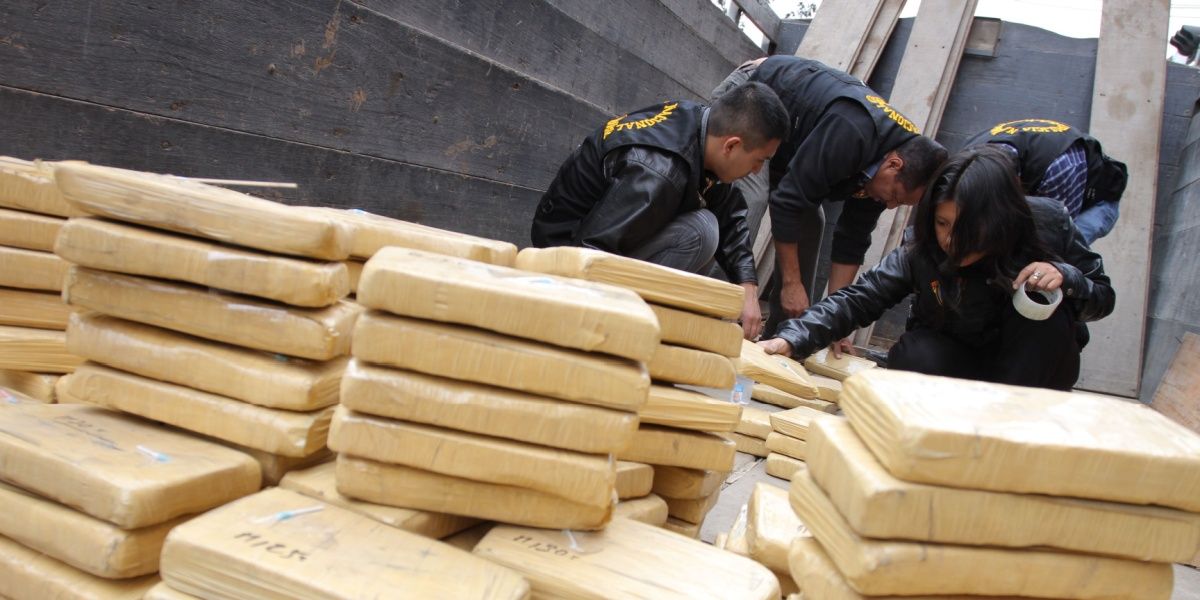
- Ports of Entry (PoEs): Contrary to some perceptions, the largest volume of fentanyl is seized at legal Ports of Entry (the official vehicle crossings and checkpoints). The drug is most often concealed in tractor-trailers, passenger vehicles, or on the bodies of couriers. [4]
- The couriers: The majority of individuals apprehended for smuggling fentanyl at the Southern Border are U.S. citizens. TCOs exploit the immense volume of legitimate commercial and personal traffic that passes through PoEs daily, knowing that only a small percentage of vehicles can be thoroughly searched. [4]
- Mail/express shipments (decreasingly): In the earlier stages of the crisis (pre-2019), high-purity fentanyl powder was frequently shipped directly from China to individuals or small criminal networks in the U.S. via the U.S. Postal Service (USPS) and private express carriers (like FedEx or UPS). This method has decreased as Mexico-based manufacturing has taken over the final product. [4][8]
How fentanyl enters the drug supply
The reason fentanyl is so deadly is that its presence in the illicit drug supply is often a dangerous surprise.
- The counterfeit pill epidemic: IMF is routinely pressed into counterfeit prescription pills designed to look exactly like legitimate medications such as Oxycodone (often marked "M-30"), Xanax, or Adderall. Due to the lack of quality control, one pill might contain a lethal dose while another might contain none. [1]
- Cutting agent: Fentanyl is frequently mixed with other illicit substances like heroin, cocaine, and methamphetamine. [8] It may be used as a cheap and potent replacement for heroin or added to stimulants to boost potency.
- The unintentional user: Users often are not aware that fentanyl is present because the drug is odorless, tasteless, and visually indistinguishable from the substance they intend to use. This makes the drug supply unpredictable and dramatically increases the risk of a fatal overdose, as a user's tolerance is instantly overwhelmed by the powerful synthetic opioid. [1] The entire street drug supply has been saturated with IMFs across the Northeast, Midwest, and South regions since 2021. [1]
Why knowing the source matters for overdose risk
The shift in the global supply chain has had a direct impact on the toxicity of the drug supply. Since Mexican TCOs began mass-producing and pressing the final product, the supply has become less predictable. The lack of standardized manufacturing means a lethal dose can be found in any pill or powder, regardless of what the intended drug is advertised as. This extreme unpredictability is why knowing about fentanyl's pervasive presence is a crucial part of relapse and overdose prevention.
Challenges in controlling fentanyl supply
Controlling the supply is a complex, international challenge. When one chemical is controlled, manufacturers pivot to using a new, structurally similar, and uncontrolled precursor. This adaptation is called a chemical substitution strategy. [2] Effective control requires ongoing international cooperation to schedule new precursors and restrict their shipment globally.
Protecting yourself in a fentanyl-heavy supply
For those in recovery, harm reduction strategies save lives by acknowledging the dangerous reality of the current drug supply. [7]
- Carry naloxone (Narcan), a life-saving medication that can rapidly reverse an opioid overdose, available without a prescription in many states.
- Use fentanyl test strips, which are relatively inexpensive, to detect the presence of fentanyl in a substance.
- Don't use alone. Ensure another person is present or use a service like Never Use Alone (a monitored phone line) so someone can call for help immediately if an overdose occurs.
- Avoid mixing drugs. Combining opioids with other depressants like alcohol or benzodiazepines drastically increases the risk of a fatal overdose.
- Seek treatment and support. Medication for Opioid Use Disorder (MOUD), such as buprenorphine or methadone, can help stabilize your recovery and dramatically reduce overdose risk.




-guide-detail.jpg?v=1722502712)