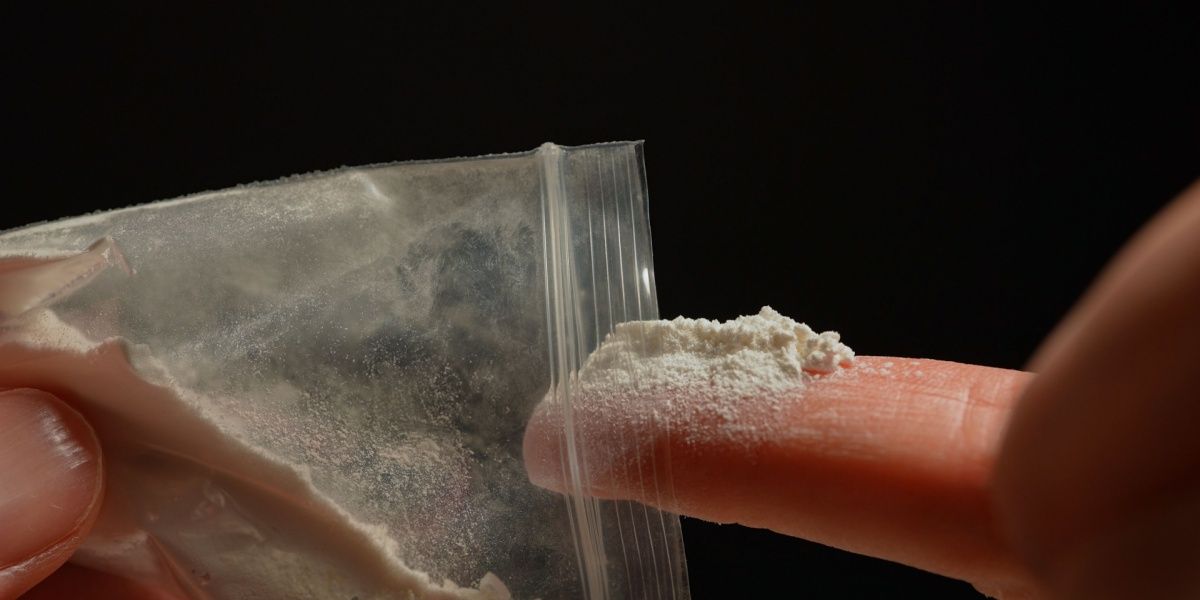
Since 2023, the United States has seen a decline in the number of deaths stemming from opioid overdoses. This was also around the time when the nation’s supply of illicit fentanyl became less potent, leading many to question whether the two events are associated. We’re now seeing data that suggests there is a link between these occurrences.

Understanding the report
Research has confirmed that opioid overdose deaths are, in fact, declining. Data shows an all-time high of 76,000 opioid overdose deaths in 2023 and more than one-third fewer by the end of the following year. [1] This includes all deaths stemming from synthetic opioids, with fentanyl being the most widely used drug in that category.
Experts can clearly see trends in these numbers, though it is much more difficult to track the cause of this decrease due to the illicit nature of the organizations responsible for bolstering the recreational opioid supply.
Experts learned of a large-scale disruption in the trade of illicit fentanyl through social media posts on Reddit. It is possible this slowdown can be traced back to newer, more stringent regulations from the Chinese government. [1] These regulations target groups involved in the trafficking of chemicals, which are then used to create fentanyl.
Has reduced-strength fentanyl impacted overdose deaths?
Yes, it appears that lower potency fentanyl is at least partially contributing to the recent decrease in opioid overdose deaths.
With Chinese groups having less leeway to move the necessary ingredients, this has trickled down to affect fentanyl manufacturing in Mexico. In an effort to continue maximizing profits, such groups are smuggling greater quantities of fentanyl into the United States, though it has a much lower concentration than it once did.
It is estimated that street fentanyl once contained between 9 and 10% of the substance. [3][4] Newer figures show the average fentanyl concentration in 2025 may be as low as 5.3%. [5]
Experts have explored other possible factors contributing to this trend. Some posit that improvements in drug treatment and better harm reduction practices may be aiding in the decrease. In addition, it’s possible that some of this decline is partly the result of a return to pre-COVID numbers, as well as many of the highest-risk substance consumers having sadly succumbed to overdose already. [2]
The impact of drug-trafficking on overdose deaths
While each of these is almost certainly playing some part in lower overdose figures, it is highly unlikely that they explain such a large drop across a one-year period. Perhaps one of the biggest pieces of evidence pointing toward supply chain issues as the root cause is the observance of a similar trend in Canada. [2]
Canadian groups are experiencing many of the same difficulties in receiving ingredients from China. However, they typically handle regional manufacturing, so they are more directly feeling its effects. Many experts note that this decline may only be temporary, predicting that traffickers will find ways around the new regulations and manufacturers may source these ingredients from countries with fewer regulations, such as India.
Regardless of the cause, we should view the decline in overdose deaths as a positive trend. This decline can also be used as an opportunity to further drive access to substance use disorder treatment and educate on harm reduction strategies. Government agencies should continue to watch these numbers in the coming years to properly prevent overdose deaths and determine if additional action steps are needed.



-blog-detail.jpg?v=1722513647)