
Laws and attitudes around the use of psychedelics for spiritual, medicinal, and self-improvement purposes are ever-changing, with growing research into their therapeutic benefits. This has contributed to a rise in psychedelic tourism, which has a significant impact on the cultures and environments from which psychedelic plants originate.
- Psychedelic tourism involves people traveling to areas where they can encounter psychedelic experiences, including places where these plants grow natively as well as those where psychedelic use is legal.
- Psychedelic tourism involves traveling to places to take various psychedelic substances, including ayahuasca, mushrooms, and peyote.
- This practice impacts environments, cultures, and communities, often in negative ways, such as overharvesting of plants and cultural appropriation.

What is psychedelic tourism?
Psychedelic tourism relates to people traveling to various destinations to consume psychedelic substances. Often, this is within a setting that utilizes traditional practices or rituals, where tourists hope to experience the healing or spiritual effects of these substances. [1][2] In some instances, people will travel to areas where psychedelic use is legal or where access is less restricted.
As public and scientific perceptions of psychedelic substances have changed in recent years, growing numbers of people are recognizing their mental and physical health benefits. This has increased the demand for psychedelic tourism, with many Westerners, in particular, taking part in shamanic rituals and ceremonies in Central and South America. [3]
The impact of psychedelic tourism
Psychedelic tourism can offer some benefits to those who host and attend these settings. However, there are many negative impacts of psychedelic tourism, including issues around sustainability, particularly in relation to cultural and environmental aspects. [1][3]
Sustainability impacts
Sustainability impacts can encompass personal, environmental, cultural, and spiritual aspects. As the demand for psychedelic substances grows, the methods for growing and harvesting the plants required for these substances become increasingly unsustainable. [4][5]
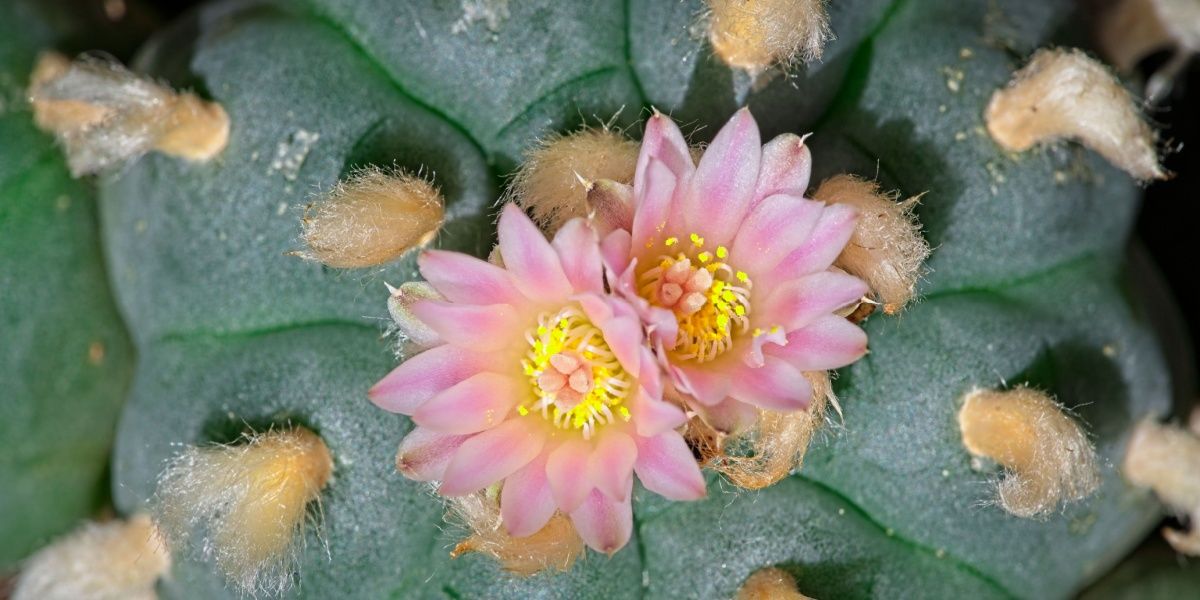
For example, cacti, such as peyote, can take decades to grow fully. With overharvesting, these plants are rapidly decreasing in number, impacting spiritual use and future cultivation. [6]
The commercialization of these plants and their ritualistic uses has a profound impact on environments and cultures, with long-lasting or irreversible consequences. [6][7] Increased psychedelic tourism to remote locations can also affect the local economies and culture of those communities, sometimes in negative ways.
Cultural impacts
Knowledge of psychedelic substances has been shared among Western civilizations by travelers, researchers, and anthropologists, resulting in increased attention to various areas and their native psychedelic substances. Often, the traditional and spiritual uses of these drugs have been ignored or shared without the consent of the Indigenous communities. [7]
When people travel to utilize these practices, they may fail to recognize or appreciate the Indigenous beliefs and cultural importance of these rituals. In some cases, non-Indigenous people host retreats and ceremonies around the world, benefiting from the commercialization of these practices despite having no links to the cultures, traditions, or land. [2]
The number of tourists that visit small communities can also create cultural shifts, making it more difficult for locals to preserve their normal traditions and routines. Eventually, highly trafficked areas adapt to psychedelic tourism, developing places, spaces, and services to market to visitors. This can also help to stimulate the economy of a community in ways that help to support an improved quality of life for locals, highlighting some of the potential benefits to a community or local culture.
Environmental impacts
Psychedelic tourism can have a range of environmental impacts. Firstly, the many flights and other means of travel to areas offering these practices cause an increase in carbon emissions and climate impact.
This can also lead to overtourism, with visitors impacting the natural fauna, flora, and habitats through issues such as increased waste, infrastructure development, and energy use. [5]
Plants used in the production of psychedelic substances face endangerment or extinction through overharvesting and land clearing. Similarly, various animal species are at risk, such as the toad used to gather 5-MeO-DMT, species that face illegal hunting to produce ritual items, or creatures whose habitats are destroyed. [5]
Legal and health impacts
Psychedelic substances are often unregulated, meaning that the potency, strength, and method of psychedelic use can vary significantly, thus creating varying results and potential risks to mental and physical well-being. [9]
Similarly, the laws and enforcement of substance regulation around the world change regularly and may be unclear to tourists. Some countries provide legal protection to religious groups using psychedelic substances, which sometimes extends to tourists engaging in these practices. However, this is not always the case, and tourists may find themselves at risk of legal consequences. [5]
Additionally, there are a multitude of available retreats and psychedelic experiences, each with varying screening processes, safety standards, and facilitator support. This can affect the safety of those engaging in these experiences. In particular, people with underlying mental or physical health conditions or those who use medications may be at an increased risk of harm if they are not properly screened beforehand. [8][10]
Positive impacts of psychedelic retreats
Despite the potential harm and negative impact of psychedelic tourism, psychedelic-assisted practices and retreats can create some positive impacts. For example, many people report experiencing profound and life-changing effects of ceremonial psychedelic use. These substances are increasingly being proven to benefit mental health conditions such as depression, anxiety, and post-traumatic stress disorder (PTSD), within traditional and medicinal practices. [2][3]
Similarly, taking part in retreats and psychedelic experiences in these types of settings can create changes in perceptions. For instance, people may develop a greater sense of connectedness to themselves, others, or nature. Some research suggests that psychedelic use is linked to pro-environmental action and could encourage sustainability efforts. [4][11]
Psychedelic retreats are only increasing in popularity and demand, which provides an opportunity for local providers to expand their reach and develop thriving businesses.
Areas and cultures most affected by psychedelic sustainability
Psychedelic plants originate from various areas around the world, where they are linked to many Indigenous and cultural traditions. Primarily, Central and South America are popular destinations for psychedelic tourism. As the use of these substances grows in popularity, these areas and cultures are becoming increasingly affected, and the sustainability of these plants is at risk.
Native Americans
Peyote, a cactus containing the psychoactive substance mescaline, has been used traditionally by various Native American tribes. The Native American Church (NAC) spent many decades struggling to defend its medicinal and sacred use of the cactus, resulting in federally recognized Native American tribes being permitted legal peyote use. [5]
As the use of peyote became more popular, issues around sustainability have increased. It has been harvested illegally, improperly, and extensively, and has been significantly impacted by land clearing. It is now extinct in certain areas and is endangered in many others, affecting the NAC’s legal access to and use of the plant. [5][6]
The Amazonian Basin
The Amazon Basin spans across many South American countries, including Brazil and Peru, where ayahuasca tourism is steadily increasing. Many of the local villages serve as production hubs, supplying tourists with ayahuasca brews, or as accommodation and tourist centers. [1][12]
Ayahuasca is prepared as a tea or brew, typically made from Psychotria viridis and Banisteriopsis caapi, two plants native to the Amazonian rainforest. These plants are becoming rarer due to increasing tourism and deforestation, and may be unsustainable. [1][5]
In the Amazon rainforest, there are hundreds of tourist lodges that provide retreats with ayahuasca and other substances, demonstrating the massive influx in demand and the competitive nature of the industry. Many retreats in Peru and other Amazonian regions are owned by foreigners who employ local shamans or ayahuasqueros to host ceremonies. [1][12]
Mazatec
The Mazatec are Indigenous inhabitants of the Sierra Mazateca region in Mexico, with ancient traditions surrounding the spiritual and healing use of psilocybin mushrooms.
Reports indicate that the sharing of knowledge about the region’s mushrooms, by people such as Gordon Wasson, has had detrimental effects on the area. This includes the commercialization and desecration of the territory, as well as the exposure of sacred and spiritual wisdom. [3][7]
Western Central Africa
Iboga, a shrub from which the psychoactive substance ibogaine is gathered, is native to central African rainforests. It has been used traditionally as a medicinal and spiritual substance by the Bwiti people in Gabon. [5][10]
The sustainability of the iboga plant is at risk due to issues relating to overharvesting, deforestation, and climate change, as well as illegal poaching of various animals, including elephants, which affects the plant’s seed distribution. Additionally, increasing demand is causing unsustainable harvesting of iboga, which is sold and exported globally. [5]
Despite various legal protections in Gabon, these factors are impacting the accessibility and sustainability of the plant for use by the Bwiti, for whom the plant is a part of their cultural heritage. [5][10]
Psychedelic sustainability initiatives
Initiatives are being implemented to conserve the sustainability, cultural and traditional roots, and medicinal importance of psychedelics. This is becoming increasingly important as laws and regulations regarding psychedelics change around the world. [13]
Psychedelic bioengineering
Because of the unsustainable harvesting and ethical and cultural implications of such, there has been growing interest in the bioengineering of psychedelic substances. This can involve novel approaches to molecular biology to produce synthetic versions of these substances, without the sustainability, environmental, or cultural consequences. [13]
Organizations supporting sustainability
Organizations supporting psychedelic sustainability include:
- Multidisciplinary Association for Psychedelic Studies (MAPS): An NPO that works toward the development of psychedelic therapies, focusing on sustainable and ethical approaches.
- Indigenous Medicine Conservation Fund: An Indigenous-led organization that aims to protect species populations, the relationships between substances and Indigenous communities, and the knowledge and practices involved.
- Blessings of the Forest: An NGO based in Gabon aiming to protect the country's cultural and natural heritage, including the sustainability of iboga.
- Indigenous Peyote Conservation Initiative (IPCI): Based in South Texas, IPCI works toward the sustainable harvesting and repopulation of peyote.
Final thoughts
For those who want to experience the benefits of psychedelics within a traditional setting, it is crucial to consider the potential risks to oneself, recognize the cultural significance of the substance, and acknowledge and appreciate the traditional beliefs and cultures.
Before making this decision, people should ensure they carefully research the area, understanding the background of the people and the substance, while also ensuring that they are attending a facility with safe and appropriate preparation and utilization of psychedelics.
People may also wish to discover more about the sustainability efforts of local and worldwide organizations and how to support Indigenous cultures and environments.



-guide-detail.jpg?v=1749039858)