

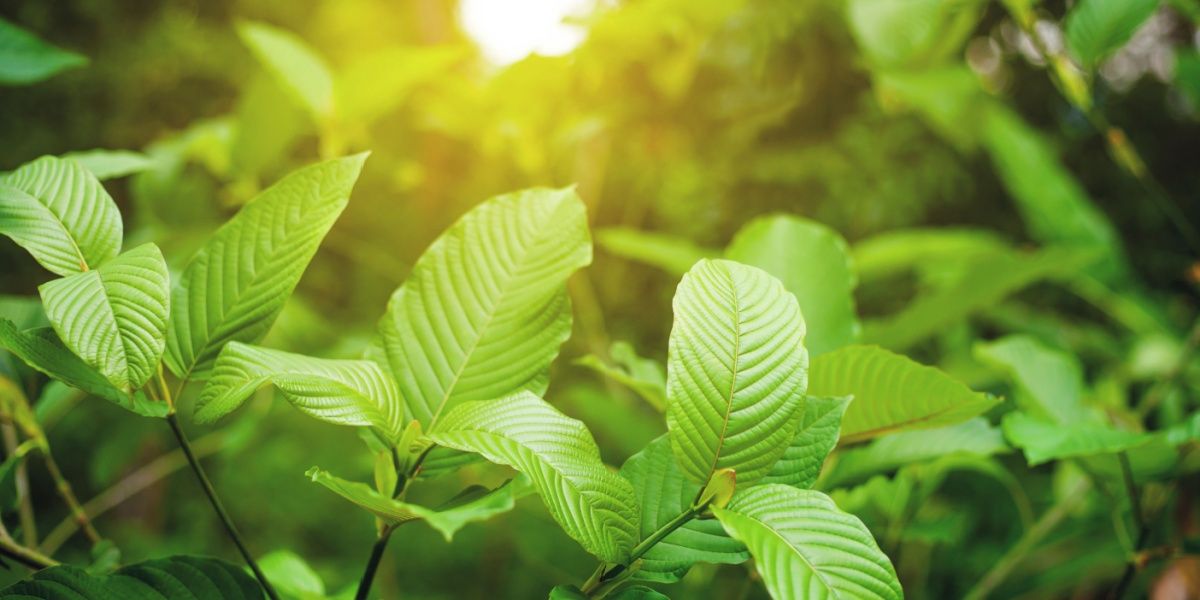
Kava root comes from a pepper shrub native to the South Pacific Islands, which has relaxing and mood-enhancing effects when ground into a powder and used in teas, beverages, or supplements. [1][2] Studies have shown that kava can help reduce symptoms of stress, anxiety, and insomnia, and it is widely available as a supplement in the US and many other countries. [1][3][4] However, kava can also have certain adverse health effects, including the risk for liver damage in certain individuals, leading to certain restrictions in other countries. [5]
- Kava is a powder made from the root of a shrub that is known to have relaxing and pleasurable effects, and is commonly consumed as a powder, dietary supplement, tea, or beverage.
- Kava works as a CNS depressant, and has been proven in studies to be helpful to certain people struggling with stress, anxiety, and insomnia.
- Kava can have adverse effects on health for some people, including a rare but serious risk of liver injury, which has led to restrictions and bans in some countries around the world.

What is kava and how does it work?
Kava is a shrub that belongs to the pepper family that grows natively in the South Pacific, where its rootstock has long been used medicinally, ceremonially, and recreationally. Traditionally, kava has been mixed with water or coconut milk and consumed as a beverage, but today it is also commonly available as a powder, supplement, or tea. Kava is marketed and sold in the U.S. as a holistic treatment and supplement, and is not regulated by the FDA. [1]
Kavalactones are the psychoactive compounds in kava root that produce its pleasurable and relaxing effects. These compounds act as central nervous system depressants, which is why they can be useful to people who struggle with anxiety, stress, and sleep problems. While kava produces mild mood-boosting and sedating effects, it is not intoxicating in the same way that alcohol and other drugs of abuse are. [1][2][3]
Noble vs. non-noble kava and extract types
There are 200 different types of kava that include variations of the plant species, location, and method of cultivation. Noble kava is a designation of quality that describes kava cultivated from mature plant species and harvested with minimal chemical solvents, and is believed to be safer than non-noble varieties. The chemical composition of noble kava is also believed to be slightly superior, including more of the therapeutic kavlactones and fewer of those believed to result in undesirable effects like hapatoxicity, grogginess, and nausea. [6]
What does kava feel like? Short term effects
Kava’s effects are generally described as relaxing, mildly sedating, and slightly euphoric. Most people who take kava report feeling less tense and anxious and experiencing a boost in their mood. Some people also describe a tingling or numbness after consuming kava, due to its anesthetic effects. [1][2]
The effects of kava are more intense at higher doses, and sometimes include unwanted symptoms like nausea, vomiting, headaches, mild fever, and dilated pupils. At higher doses, kava can also be more sedating, leading to drowsiness or grogginess that can persist into the next day. [2][3][6]
How long do kava’s effects last?
It can take 2-3 hours to reach the peak effects of kava after consumption. The effects of kava are long-lasting and dependent upon the type, quality, and dose consumed. [6] Most of the time, kava is estimated to have a half life of 9 hours, meaning that it can take 18-24 hours for kava to be completely eliminated from the system. [2]
Does kava really help with anxiety?
Multiple studies suggest that kava is helpful in reducing symptoms of anxiety in some people. [1][3][4] In the U.S., Australia, and many other countries around the world, kava is widely used as a holistic treatment for stress, anxiety, and sleep problems. It is preferred by some people with anxiety because it does not carry significant risks for intoxication, tolerance, and dependence, which are commonly associated with anti-anxiety medications like benzodiazepines. [1][3]
Kava side effects and health risks
There are some side effects and health risks associated with kava, and these may be more pronounced at higher doses, in non-noble varieties, and when kava is cultivated using chemical solvents. [1][2][6] The most concerning health risk associated with kava is its potential for liver damage. While uncommon, there have been reports of people sustaining severe liver injury after taking kava, even in small doses and for short periods of time. In some cases, kava has resulted in severe liver damage requiring an organ transplant.[1][5][6]
Less severe side effects and health risks of kava include: [2][3][4]
- Headaches
- Drowsiness that can persist into the next day
- Poor coordination
- Nausea and vomiting
- Blurred vision or dizziness
- Red or dilated pupils
- Dermopathy, rashes, scaly or discolored skin
- Impaired motor skills
- Impaired cognitive functioning
- Numbness or tingling in the mouth
- Mood swings
- Weight loss or malnutrition
Who should avoid kava?
Certain people may be more likely to develop adverse side effects or health problems after taking kava, and are not recommended to consume kava. People who should avoid kava include: [2][3]
- Pregnant or breastfeeding women
- Individuals with liver disease or pre-existing liver dysfunction
- People who frequently drink alcohol
- People who are taking other CNS depressants
- Children and minors
Is kava addictive?
Kava is not believed to be addictive and is not commonly abused for recreational purposes. While the effects of kava are usually described as relaxing and enjoyable, kava is not intoxicating in the same way as other drugs or alcohol. Most people who take kava do not report feeling ‘high’ or euphoric, although there are slight mood-enhancing effects. [1]
Also, there have not been widespread reports of long-term users developing a tolerance or experiencing withdrawal symptoms or cravings when they stop taking kava. There has been one study that documented a case report of severe withdrawals and seizures in a heavy daily user of kava, but these concerns have not been documented elsewhere. [7]
Kava drug interactions
Kava can interact with alcohol and other drugs. Because kava is a CNS depressant, it can potentiate the effects of other depressants like alcohol, benzodiazepines, or sedative drugs. For these reasons, it is not advisable to take kava in combination with other drugs or controlled medications. [2]
In addition to interacting with alcohol and other CNS depressants, kava may increase or decrease the effects of: [2]
- Levodopa (a Parkinson’s medication)
- Caffeine and other stimulants
- MAOIs that are commonly used for depression
- Antipsychotic medications
- Antiplatelets and blood thinners
Always be honest with your doctor and prescribers about any medications, drugs, or dietary supplements you are taking, and seek their advice before starting another supplement like kava.
Kava legality and regulation
Kava is legal and widely available as a nutritional supplement in the United States, Australia, and Asia, where its use is legal and largely unregulated. In some countries, kava is restricted or even illegal. For example, kava is restricted in Canada, the UK, and Germany, the Netherlands, and other EU countries. Because of concerns over the hepatotoxicity of kava, it has been completely banned in certain countries, including Switzerland, France, and Poland. [5][6]
Harm reduction tips if you decide to use kava
Like all supplements, kava should be purchased from a reputable source that ensures purity, quality control, and testing for contaminants. Some researchers also recommend that consumers purchase noble varieties of kava, which contain fewer kavalactones that are believed to carry a risk for liver damage. [6] It is also recommended to restrict your dose of kava to a maximum daily amount of 250mg to minimize the risk of adverse health effects. Finally, kava should not be consumed with alcohol or other drugs, particularly CNS depressants. [2]
When to seek help
If you have taken kava and experience lasting or concerning side effects, seek medical care. Symptoms like yellowing of the skin or eyes, abdominal pain or swelling, dark urine or pale stools are particularly important to monitor, as these can be indications of acute liver injury that require emergency medical attention.




-guide-detail.jpg?v=1741692490)