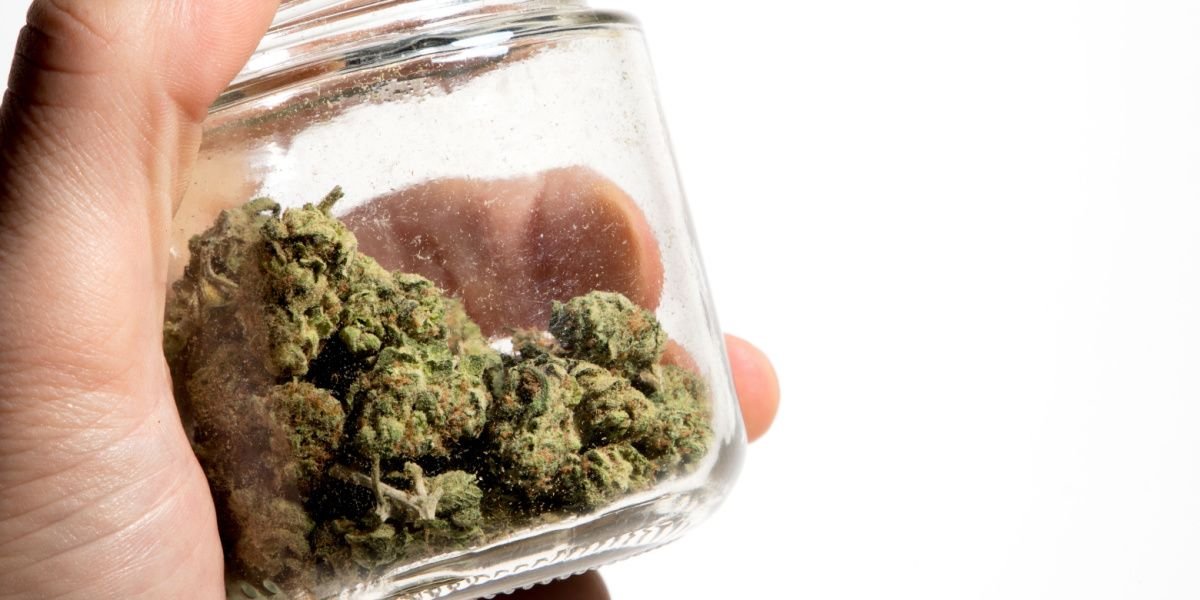

Over 100 naturally occurring cannabinoids have been discovered so far, which can be extracted from the cannabis plant. [1] Tetrahydrocannabihexol (THCH) is a potent cannabinoid that was first isolated from the cannabis plant in 2020 and has since become increasingly popular for recreational use. [2] THC analogs have become increasingly popular in recent years and are often sold legally in states where marijuana sales are restricted. This article will look at THCH in more detail and examine its associated risks.
- THCH is a naturally occurring cannabinoid with a six-carbon chain, compared to THC's five-carbon chain, which may result in stronger receptor binding and more intense effects.
- Scientific research on THCH is currently very limited, but it’s likely to carry similar risks to other cannabinoids, including dependency and cognitive effects.
- The legal status of THCH varies by area and often exists in a regulatory grey area.

What is THCH?
THCH is a cannabinoid that’s similar in structure to THC, the main psychoactive component of cannabis. [3] The main difference lies in their molecular composition, where THCH has a six-carbon chain, but THC has a five-carbon chain. [4] This seemingly small structural variation has significant implications for how the compound interacts with the body.
THCH’s longer carbon chain could increase binding to cannabinoid receptors in the brain, particularly the CB1 receptors responsible for psychoactive effects. This enhanced binding potential may result in stronger and longer-lasting effects compared to traditional THC. As THCH has only recently been identified, it is still being studied to fully understand its properties.
Is THCH natural or synthetic?
THCH is naturally occurring; however, it’s very rare and often only extracted in trace amounts from the cannabis plant. As a result, it’s often synthetically produced in laboratories, where it can be made to have greater potency than its naturally occurring counterparts. [5] Synthetic analogs like THCH are often sold legally in areas where THC is illegal, and are popular because they tend to produce very similar effects.
THCH effects: Is THCH stronger compared to THC?
Although there is currently limited scientific data comparing the effects of different cannabinoids, it’s thought that THCH has more intense and longer-lasting psychoactive effects compared to THC. These psychoactive effects include relaxed mood, euphoria, and pain relief. Some online retailers claim that THCH can be up to 25 times stronger than THC, but there is no robust evidence to support this.
Health risks and addiction potential
Because THCH is a relatively new compound with limited research, its full risk profile is not yet understood. However, based on what is known about cannabinoids with similar structures and potency, several potential health risks should be considered. Because of its structural and chemical similarity to THC, it is likely that this analog shares many of the same risks for physical and mental health.
Short-term risks of THCH may include: [6]
- Increased disinhibition.
- Memory impairment.
- Distorted perceptions.
- Impaired coordination.
- Anxiety and paranoia
- High heart rate.
Although there is no data available for the long-term health impacts of THCH, these could include: [6]
- Cognitive changes, including memory loss.
- Impact on brain development in younger users.
- Respiratory issues if THCH is smoked or vaped.
- Mental health problems, including an increased risk for psychosis.
- Gastrointestinal symptoms, including nausea and vomiting.
- Increased risk for anxiety and depression.
Regular use of THC products can also lead to addiction. [6] Given THCH’s perceived increased potency, this risk of addiction could be higher, with users more likely to experience withdrawal symptoms and develop tolerance.
Who should avoid THCH?
Certain groups are at a higher risk of adverse effects from THCH and other cannabinoids, so they should avoid using them. These include:
- Adolescents and young adults, who are at an increased risk of long-term cognitive problems and psychosis. [6]
- Pregnant women, due to the risk of neonatal problems. [6]
- Individuals with mental health problems, as THCH could worsen these conditions.
- Individuals with underlying medical problems, including cardiovascular and gastrointestinal issues.
- Anyone who needs to operate machinery, as THCH can affect coordination and perception. [6]
- Individuals taking other mind or mood-altering substances or psychotropic medications, due to the increased risk for drug interactions.
If you take regular medication and are also taking THCH or other cannabinoids, you should consult a doctor to ensure there are no interactions.
THCH vs. Other cannabinoids
Below is a comparison table between THCH and other cannabinoids. [2][4][7]
| Cannabinoid | Carbon chain length | Relative potency | Psychoactive | Legal status |
|---|---|---|---|---|
| CBD | 5 carbons | Non-intoxicating | No | Widely legal |
| Delta-8 THC | 5 carbons | Milder than Delta-9 THC | Yes | Varies by region |
| Delta-9 THC | 5 carbons | Standard reference | Yes | Varies by region |
| THCH | 6 carbons | Reportedly higher | Yes | Grey area |
| THCP | 7 carbons | Reportedly highest | Yes | Grey area |
THCH sits between standard THC and THCP in terms of carbon chain length. Theoretically, longer carbon chains allow for stronger binding to CB1 receptors, which may explain the reported increase in potency. [7] THCP, with its 7-carbon chain, is considered to be the most potent naturally occurring cannabinoid identified to date. [8]
Is THCH legal?
The legal status of both THC and THCH is complicated and involves both federal and state laws. In the United States, hemp-derived cannabinoids containing less than 0.3% Delta-9 THC are federally legal under the 2018 Farm Bill. [9] Since THCH is a distinct compound from Delta-9 THC, some argue it falls within this legal framework when it is derived from hemp. However, several states have started to restrict or ban synthetic and semi-synthetic cannabinoids, including THCH.
With regulations changing and penalties for possession of illicit substances potentially being severe, it’s best to research specific laws in your area. State laws are frequently changing in response to the sale and distribution of newly discovered analogs like THCH.
Harm reduction and safe use strategies
For those who choose to use THCH, the following strategies can help promote safety and reduce harm.
- Start with a low dose. This is particularly important if the user is inexperienced with THC products.
- Don’t take too much at once. The full effects of THCH might take some time to develop, so leave plenty of time between doses.
- Avoid mixing THCH with other substances.
- Don’t take THCH alone. Ensure you’re in a safe environment with people you trust.
- Only purchase THCH from reputable sources. These products should be able to provide a certificate of analysis for potency and contaminants.
- Don’t drive or operate machinery when using THCH.
- Stop using THCH if you notice adverse physical or psychological effects.
Support for quitting and treatment options
If you’re struggling with your use of THCH or other cannabinoids, you’re not alone, and help is available. There are several treatment options, with professionals often recommending a combination of treatments that best suit the individual's needs.
Treatment options include medical detox, behavioural therapies, and support groups, with Cognitive Behavioural Therapy (CBT) being effective in treating a range of substance use disorders. [10] Start by reaching out to a medical or mental health professional, who can help support you through your recovery.



_-Origins,-Effects,-and-Risks-guide-detail.jpg?v=1741683510)