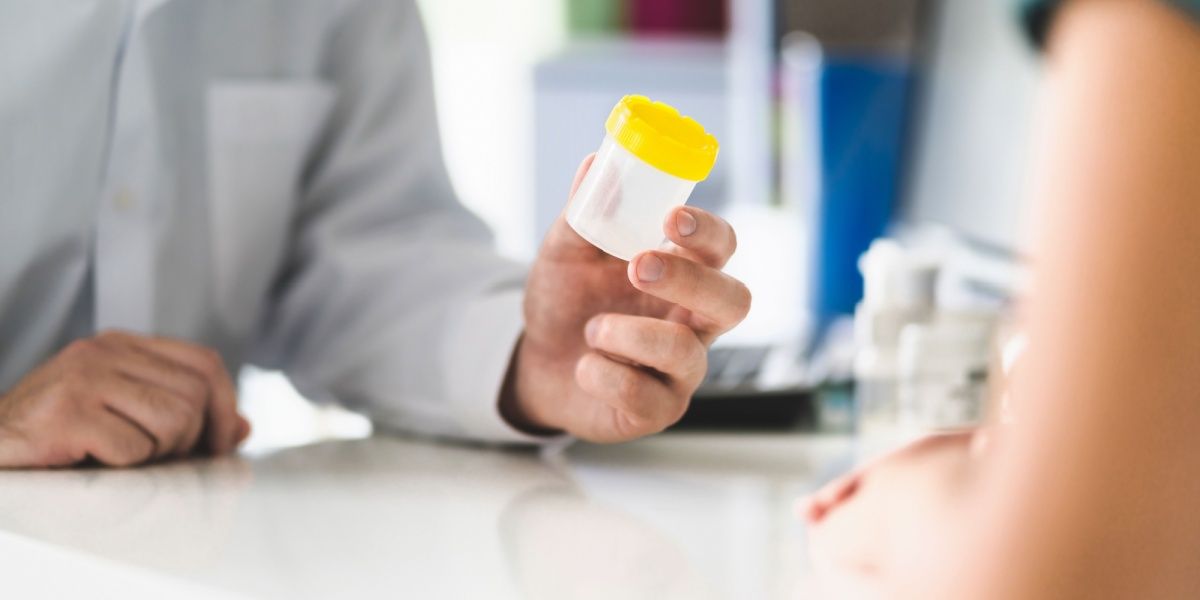

Products advertised as cleansing or detox supplements are often used to lose weight or detoxify the body quickly. Some people misuse these supplements in an attempt to expel illegal substances from their bodies before taking a drug test. Anyone wanting to detox for health purposes or to detox from substances should follow professional advice.

What do detox supplements like “The Cleaner” do?
“The Cleaner” is a product developed and sold by Century Systems as a cleansing and detoxifying supplement. This and products like it are advertised as a full-body detox to cleanse the lungs, kidneys, liver, colon, and stomach. [1] These products claim to be fast-acting, delivering rapid weight loss and toxin detoxification to leave consumers feeling energized and healthy.
These products are regulated as dietary supplements rather than medications. Unlike prescription and over-the-counter drugs, they are generally not reviewed by the FDA for safety or effectiveness before being marketed. There is no support for their use as detoxification agents. [2][3]
While they can result in weight loss and an emptying of the bowel, they are not evidence-based treatments and can result in dangerous consequences. They are likely to cause stomach cramps and pain, excessive or severe diarrhea, and nausea if not taken as recommended. This can all contribute to reduced energy levels, electrolyte imbalances, and harm to the digestive system. [3][4]
The body eliminates waste naturally through organs such as the kidneys, liver, and bowels and does not require specialist products to make this happen or to speed up the process. These bodily functions metabolize and eliminate substances and toxins, but they can take time to do so.
How do they work?
The Cleaner and other products like this work by acting as a laxative. They contain high amounts of dietary fiber with multiple laxative agents, including senna leaf, aloe vera, and yellow dock root. These ingredients stimulate bowel movements and can draw fluid into the intestines, softening stool and accelerating elimination. [1]
Because of this, they can cause temporary weight loss due to water loss and bowel emptying. However, this occurs solely because of increased frequency of bowel movements, and causes a risk of dangerous consequences. They do not actually cleanse or detox the organs; they simply speed up the waste-removal process that occurs naturally anyway. [2][3]
This is likely to cause excessive water loss. Although this may appear as a reduced weight on the scale, it often leads to dehydration and electrolyte imbalances and does not produce long-term weight loss. Prolonged use of laxatives can also contribute to digestive problems, causing the bowels to rely on them to pass stool rather than natural processes. [4]
Ultimately, these products do not help people shed body fat or lose weight in a healthy or sustainable manner, and they do not improve metabolism or the function of the body’s organ systems.
Do people misuse detox supplements to pass drug tests?
Some people have reported using products like The Cleaner to help them pass a drug test. They might believe that they can “flush out” the drug from their system by using this type of product.
For example, one Reddit post describes a person who has smoked cannabis regularly for many years. They use The Cleaner within the seven days before a drug test, while also abstaining from smoking cannabis during this time, and successfully pass the drug test.
This post also describes how the individual drank a lot of water and other fluids leading up to the drug test, to the point that their urine “looked like water”. This means that, rather than The Cleaner flushing out the substances from the body, the individual has likely just diluted their urine so much that the concentration of cannabis found in the urine would be too low to be identified in the test. [5]
Why using supplements for rapid detox is dangerous
These products are not approved by the FDA as dietary supplements and may pose risks when used for this purpose. They are also not approved or evidence-based interventions for use in the detoxification of substances.
Supplements like The Cleaner work as laxatives, causing excessive elimination of waste from the body. This can cause dehydration, impaired bowel functioning, and electrolyte imbalances, which can lead to dangerous and potentially fatal consequences.
People with a history of certain health conditions, including inflammatory bowel disease, heart or kidney disease, or other gastrointestinal conditions, could be at particular risk. Furthermore, not only do these products fail to eliminate toxins as advertised, but they can also add toxins or contain hidden ingredients. [2]
For example, in 2014, the Environmental Research Center, a California nonprofit organization, filed a lawsuit against the creator of The Cleaner products, Century Systems, Inc. [6] The lawsuit alleged that Century Systems knowingly failed to warn that its products exposed consumers to lead. Lead can cause cancer, developmental toxicity, and reproductive toxicity. The case was settled with an agreement that Century Systems would limit lead levels to 0.5 mcg per daily dose or provide a clear warning, although they denied any wrongdoing. [6]
Why detox supplements do not guarantee passing a drug test
Detox supplements cannot guarantee passing a drug test, as they affect the body’s natural waste removal processes through the bowels rather than chemical processes in the bloodstream, organs, or fat tissue. These supplements cannot speed up the metabolism and elimination processes to produce a clean drug test result.
Instead, they might mask or dilute the urine specimen so substances cannot be detected. Many laboratories will be aware of this and flag samples that are too diluted to produce accurate results, likely directing the individual to produce another sample. [5][7]
How to safely detox from drugs and alcohol without supplements
Safe ways to detox from drugs and alcohol involve using evidence-based interventions, professional support, and allowing the body to process and eliminate substances naturally.
For some people, detoxing at home can be a safe and appropriate option, while for others this can be dangerous. This will depend on the severity of the substance use and the associated risks of the specific substance. For example, a severe alcohol dependence can result in dangerous and even fatal consequences if detox is attempted without professional supervision.
People who choose to detox at home should first seek professional advice and may require regular reviews with a clinician to assess and ensure safety. [8]
Detox can also be completed within a treatment facility, where professional staff is available around the clock to monitor and treat any side effects or dangers.
For home or facility detox processes, medications and supervision can be utilized to help reduce risks. However, there is no medicinal or therapeutic intervention that can speed up the detoxification process. [8]