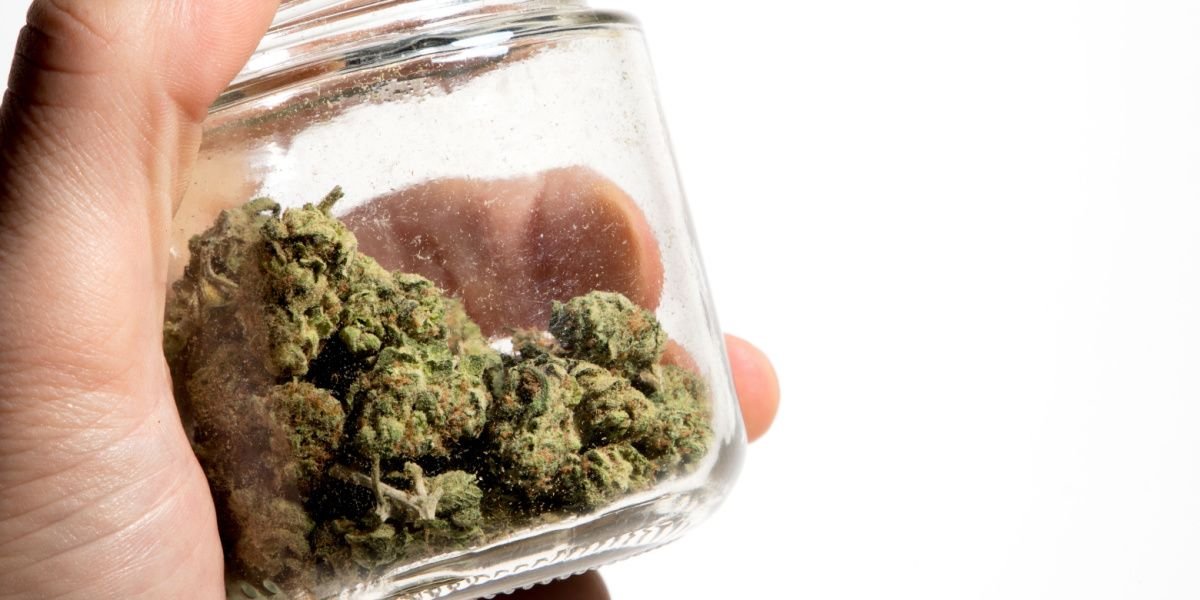
Delta-11 is a new form of THC that is derived from the hemp plant and sold as a legal alternative to THC in states where marijuana is illegal. While it is possible to purchase Delta-11 vapes or edible products, the marketing may be misleading, since most Delta-11 products are a mix of other THC analogs. Research on this newly isolated cannabinoid is limited, so it is not yet clear how its effects compare to other well-researched isomers like Delta-8 and Delta-9. [1][2]
- THC analogs like Delta-8, Delta-9, THCA, and Delta-11 are being created as legal alternatives to THC and are primarily sold in places where marijuana is illegal.
- Most products being sold as Delta-11 contain other THC analogs, which may have similar effects as THC.
- Delta-11 has not been extensively researched, making it difficult to determine how its effects compare to other, well-known analogs or THC formulations.

What is Delta-11 THC?
In recent years, a number of THC analog products have been created to sell in places where access to cannabis and THC products is restricted. Analogs like Delta 8, Delta 9, THCA, and THC-O have become increasingly common. [2][3] Delta-11 is a minor cannabinoid found in trace amounts in the cannabis plant that some retailers are selling as a legal THC product. However, the marketing around Delta-11 is often misleading for two reasons: most products labeled as Delta-11 actually contain a mix of other THC analogs, and potency claims frequently stem from confusion with a different substance called 11-hydroxy-THC. 11-hydroxy-THC is not a plant-derived cannabinoid; it is a metabolite that the liver produces when it processes Delta-9 THC, particularly through edibles. Despite having similar names, Delta-11 THC and 11-hydroxy-THC are distinct compounds with different origins, properties, and levels of research behind them.
Like other variations of THC, Delta-11 is a cannabinoid derived from the hemp plant and works by binding to receptors in the brain in similar ways to THC. This works to produce the mind- and mood-altering effects that people experience when consuming or inhaling these products. Compared to other cannabinoids, Delta-11 is found in lower quantities in cannabis, making it more difficult to extract and isolate. Synthetic versions of Delta-11 are common, as well as combinations that include other more common analogs of THC. [1]
What studies say about Delta-11
There is not a lot of research on Delta-11, since it is one of the newer cannabinoids being sold as a legal THC analog. There have not been studies identifying the effects of Delta-11 or determining how they are similar to or different from the effects of THC or more common THC analogs like Delta-8 or Delta-9. While some people report that Delta-11 is as strong or stronger than Delta-9, there is no research to support these claims. Much of the confusion around Delta-11's potency appears to originate from research on 11-hydroxy-THC, a liver metabolite of Delta-9 that has been shown to be equal to or more potent than Delta-9 itself. Because the names sound similar, potency findings about 11-hydroxy-THC are frequently misattributed to the plant-derived cannabinoid Delta-11, which has only been studied in animals over three decades ago. [1]
Risks and side effects
It is not known what the risks and side effects of Delta-11 are, since this is a more recently isolated cannabinoid that is being sold online and in retail locations. Studies are needed to determine the specific risks and side effects of Delta-11 products, and to compare these to other THC formulations and analogs.
Because Delta-11 works on the same receptors in the brain as cannabis, THC products, and THC analogs, it is likely that the risks and side effects will be similar in nature. Short-term risks associated with intoxication include anxiety and paranoia, and impairments in cognitive functioning, judgement, and motor skills. Long-term and chronic or heavy use may result in more severe and lasting physical and psychological effects, as well as increasing the risk for dependence. [4]
Delta-11 vs. Delta-8 and Delta-9
A number of THC analogs and synthetic forms have been created in recent years. These analogs have slightly different chemical structures than conventional Delta-9 THC but bind directly to the same cannabinoid receptors in the brain, producing similar psychoactive effects. Delta-8 and Delta-9 are two common THC analogs that have similar effects as THC, but can be sold legally in many places where marijuana is still illegal. [2][3]
Delta-8 and Delta-9 THC can be sold as vapes, flower, or in edible forms like gummies or candies. Delta-9 is the most well-researched of the analogs, and has been shown to have similar effects to THC. Delta-8 is similar to Delta-9 but slightly less potent.[2] Other THC analogs that have not been studied as extensively include HHC, THCA, and THC-O. Because Delta-11 is relatively new to the market, there is no research comparing its effects to other analogs like Delta-8 or Delta-9. Comparisons that consumers may encounter online are often based on studies of 11-hydroxy-THC, rather than the plant-derived cannabinoid Delta-11. These are chemically distinct substances, and findings about one should not be applied to the other. [1]
Is Delta-11 THC legal?
While there are some laws that restrict and regulate THC analogs, new formulations are being created that skirt these regulations. The specific laws and restrictions on the sale of THC analog products will depend on where you live, but in most places, Delta-11 can be legally purchased online or in retail stores. However, federal legislation signed in November 2025 will restrict the sale and possession of hemp-derived THC products in states where marijuana has not been legalized, with an effective date of November 12, 2026. After this date, products like Delta-11 may be treated as Schedule I substances in states without legal marijuana, significantly limiting their availability. [1]
Abuse and addiction risks
A number of people have used THC analogs like Delta-8, Delta-9, Delta-10, and products labeled as Delta-11. Because these are novel substances, more research is needed to determine the short- and long-term effects and risks associated with their use. What is clear is that many people abuse these drugs in similar ways to cannabis and regular THC products, which can result in similar risks and consequences.
Some of the risks associated with excessive use of cannabis and THC products include: [4]
- Potential for psychological dependence and addiction.
- Increased risk of paranoia and psychosis.
- Increased likelihood of developing anxiety or depression.
- Reduced interest and motivation.
- Cognitive impairments including memory, learning, and processing issues.
- Problems functioning at work or school.
- Conflicts and challenges in personal relationships.
Harm reduction and safer alternatives
There is not a lot of research on some of the newer THC analogs and formulations like Delta-11. Because Delta-11 products often contain other analogs, there is a higher risk for unpredictable effects, especially when using analogs like THCA, THC-O, or HHC, which aren’t well-studied.
The best way to avoid risk and prevent harm related to the use of THC analog products is to abstain from using them. For those who do not feel ready or able to stop using, here are some tips to reduce the risk of adverse effects:
- Take a small dose when trying a new brand or type of THC analog.
- Wait at least 3 hours before increasing your dose when taking edibles.
- Do not use substances alone, particularly if you haven’t tried them before.
- Do not use substances before driving or operating heavy machinery.
- Monitor for side effects and discontinue or reduce usage as needed.
- Avoid drinking alcohol or taking other drugs while using THC products.
- Do not mix THC with medications, as interactions can occur.
Final thoughts
Delta-11 is a minor cannabinoid that exists in trace amounts in the hemp plant, but most products marketed as 'Delta-11' contain other, more common THC analogs rather than isolated Delta-11. Consumers should be aware that 'Delta-11' is largely a marketing label rather than an established product category backed by research. There is not a lot of research on newer THC formulations and analogs like Delta-11, and more studies are needed to determine the specific risks of these substances and how they compare to THC.