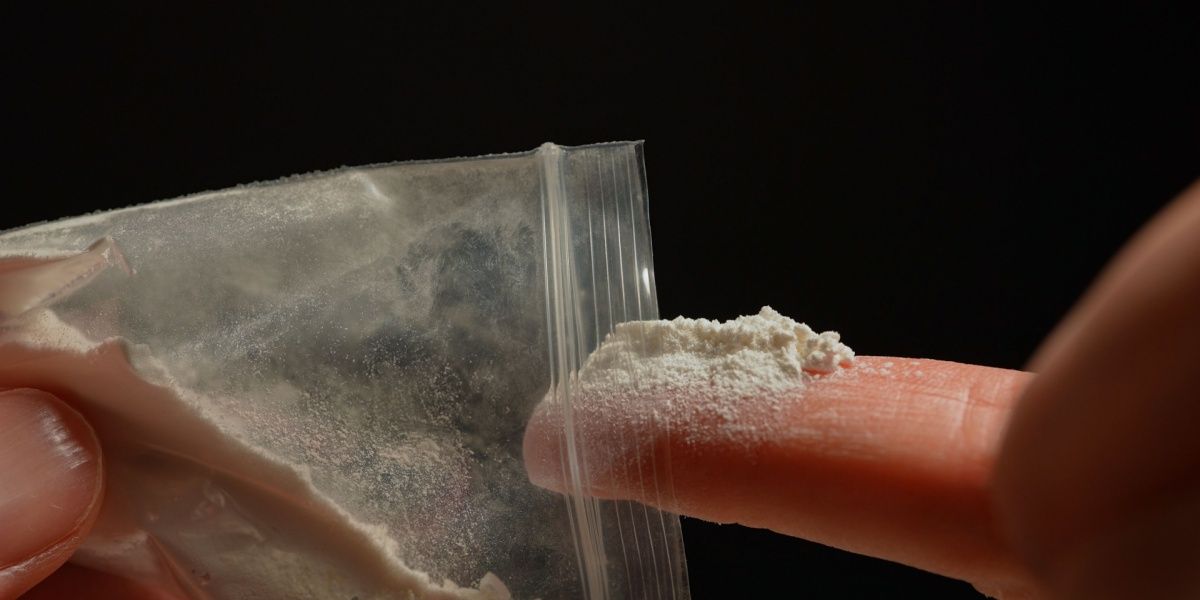

“Kitty flipping” is a slang term for the simultaneous or sequential use of ketamine (a dissociative anesthetic) and MDMA (an empathogen). The dissociative and empathogen effect of kitty flipping is quite different from “candy flipping,” which refers instead to a combination of LSD (a psychedelic) and MDMA, aiming for a state of connection and wonder.
The practice of kitty flipping has gained attention in nightlife, festival, and club settings over recent years, driven by social media, evolving club culture, and a search for more intense or novel experiences. According to a recent Psychology Today column, emergency department visits and ketamine-related deaths frequently involve MDMA combinations. [1]
Emergency department surveillance in California reported a 54% increase in hallucinogen-associated visits and hospitalizations from 2016 to 2022, and larger datasets and reviews have documented increasing nonmedical ketamine availability and related poisonings in recent years. Studies of polysubstance use also show that co-ingestion patterns predict more severe presentations and greater treatment needs in emergency settings. [3]
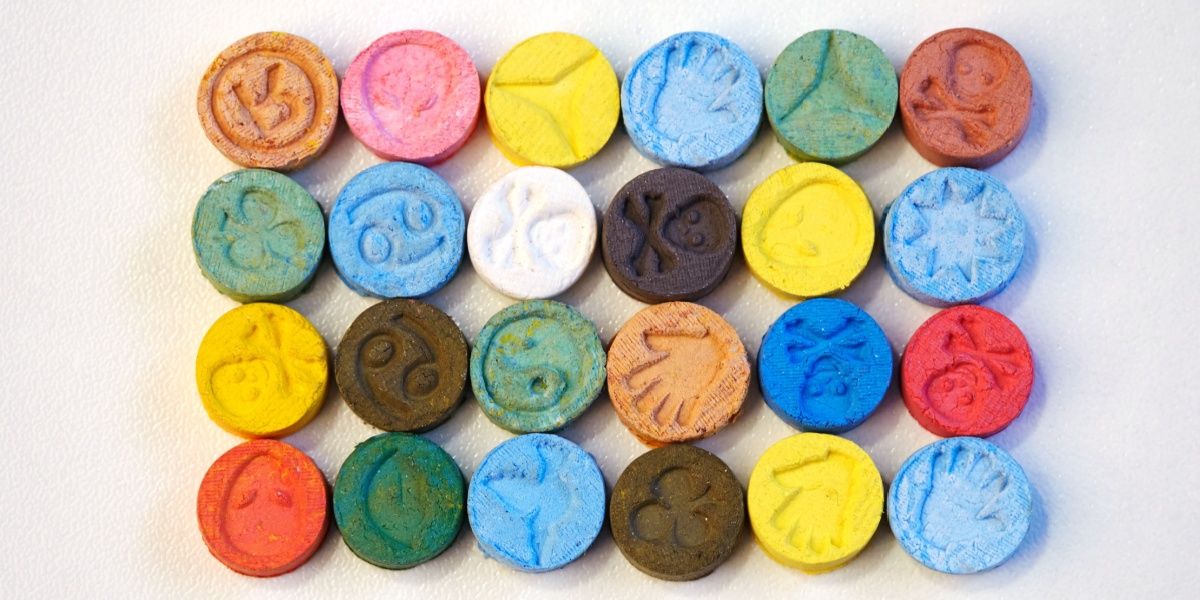
What is "kitty flipping"?
“Kitty flipping” refers to ingesting ketamine and MDMA together or in close succession. Users may take MDMA first (the “roll”), then snort or ingest ketamine to shift into a dissociative or introspective space, or combine them simultaneously (in the same capsule, drink, or pill). Because these substances are illicit, there is no reliable standard dose or purity, and combinations are highly unpredictable. [1][3]
MDMA + ketamine mechanisms
MDMA, also called ecstasy or Molly, is a serotonin-releasing agent that also affects dopamine and norepinephrine, inducing empathogenic, energizing, and mood-lifting effects. Ketamine, on the other hand, is an NMDA receptor antagonist and dissociative anesthetic. At subanesthetic doses, ketamine can produce sedation, dissociation, altered perception (“K-hole”), and analgesia [4]
The interaction between MDMA and ketamine may lead to serotonin toxicity (any harmful buildup of serotonin), heightened sympathetic load (which affects heart rate and blood pressure), and unpredictable timing of peaks (because MDMA slows gastric emptying). [5]
This means that mixing MDMA and ketamine throws the body’s chemistry into chaos. MDMA floods the brain with serotonin while ketamine dulls the senses, and together they can push heart rate and blood pressure too high. To make things trickier, MDMA slows digestion, so the high can hit later or harder than expected. [3][5]
Preclinical evidence suggests that ketamine pretreatment may worsen MDMA-induced dopamine/serotonin transporter dysfunction. [6] Due to these overlapping mechanisms, the combined burden often exceeds the sum of each drug’s individual risk.
How kitty flipping affects the body
Some documented harmful effects resulting from kitty flipping include:
- Overheating and autonomic dysregulation: MDMA raises body temperature, heart rate, and blood pressure, while ketamine may impair thermoregulation in general, making heat control more difficult.
- Cardiovascular strain: Increased sympathetic stimulation, arrhythmias, hypertension, and potential ischemia are possible.
- Serotonin syndrome (the most severe case of serotonin toxicity): Especially if other serotonergic substances are also present, severe cases can lead to hyperthermia, agitation, autonomic instability, and risk of death.
- Neurotoxicity and cognitive impairment: Repeated ketamine use shows both neuroprotective and neurotoxic effects, depending on dose and timing. [7] In heavy users, MDMA alone causes long-term alterations in serotonin transporter density and risk of mood, memory, and emotional disturbances. [4]
- Psychiatric crises: Mixed intoxication can precipitate acute psychosis, severe agitation, or persistent emotional dysregulation. Reports from emergency medical service settings in Europe describe violent hallucinations requiring sedation and psychiatric transfer. [3]
- Organ damage and dehydration: Hyponatremia (a lower-than-normal blood sodium level), renal failure, rhabdomyolysis (the rapid destruction of muscular tissue), and hepatic strain are known risks with MDMA. With chronic use, ketamine adds a burden on the kidneys and bladder.
- Delayed rebound, “crash,” or depression: After the acute session, severe mood dips, anxiety, exhaustion, and sleep disruption can follow.
Recognizing a kitty flipping emergency
Because mixed intoxications can present unpredictably, being able to recognize emergent signs of a kitty flipping emergency is life-saving. Red flags include:
- Extremely high or unstable body temperature.
- Profound agitation, delirium, or psychosis.
- Unresponsive or semi-conscious states.
- Rapid heart rate, chest pain.
- Tremors, muscle rigidity, seizures.
- Loss of coordination, vomiting, and severe nausea.
- Acute changes in blood pressure (hypotension or hypertension).
- Delayed or erratic symptom onset.
If any of these signs appear, call emergency services immediately. Medical staff may need to manage sedation, cooling, hydration, and treat complications (including rhabdomyolysis, seizures, and electrolyte disturbances).
Why traditional harm reduction falls short with kitty flipping
Harm reduction advice for single drugs typically includes “start low,” “stay hydrated,” “test your drugs,” and “rest if you feel bad.” But these strategies fail to account for synergistic interactions. For kitty flipping, keep in mind that:
- There’s no safe or known “low zone” for kitty flipping, as even small doses may unpredictably amplify effects.
- Purity and adulterants: MDMA pills or ketamine powders are often cut with unknown substances, which may worsen toxicity.
- Timing matters: Taking ketamine too early or too late relative to MDMA dosing can produce overlapping peaks and dangerous spikes.
- Single-drug testing kits do not capture combinations or drug concentrations.
- Traditional harm reduction does not always prepare users for delayed or rebound crises.
That said, some risk-mitigation measures are better than none (though not necessarily safe):
- Use reagent testing for purity, although this doesn’t eliminate the risk of synergistic effects.
- Stay with trusted peers, have sober supervision, and maintain access to emergency care.
- Avoid dehydration or overheating (stay in a cool environment, rest, and cater to electrolyte balance).
- Avoid re-dosing or “chasing” effects.
Available treatment options for polysubstance use involving MDMA and ketamine
In case of a stimulant overdose (like from MDMA), a benzodiazepine may sometimes be used medically to calm agitation, muscle tension, or seizures, but only under medical supervision. When struggling with repeated kitty flipping, treatment must address polysubstance use, mental health, and harm patterns holistically. Some options include:
- Integrated addiction therapy: Cognitive-behavioral therapy (CBT), motivational interviewing, and contingency management to change patterns might help manage addiction.
- Trauma-informed therapy & dual-diagnosis treatment: Many users mixing drugs are seeking emotional escape or coping. Thus, treating underlying anxiety, PTSD, or depression is paramount.
- Medication-assisted support: There is no approved “antidote” specifically for MDMA-ketamine combos. However, treatment may include SSRIs, anti-anxiety agents, or other psychotropics under medical care.
- Medical detox and psychiatric care: In acute cases, inpatient or supervised detox may be required.
- Relapse prevention skills: Recognizing triggers (such as nightlife or peer pressure), developing substitution strategies for safer coping mechanisms, and establishing support networks.
Because kitty-flipping is relatively new in the clinical literature, standard protocols are still evolving.
Final thoughts
Kitty flipping is a dangerous frontier in polysubstance use. The collision of MDMA’s empathogenic, stimulatory surge with ketamine’s dissociative power creates risk far beyond using either drug alone. For people in recovery or contemplating relapse, the unpredictability is unforgiving, and no dose is safe. If struggling with kitty flipping, be honest, seek help early, and hold onto community and sobriety.