
The use of cigarettes or marijuana joints that have been combined with other drugs has increased. [1] Sherm refers to cigarettes or joints that are combined with phencyclidine (PCP). [2] Inhalation of these can lead to dangerous adverse effects, particularly in young people. [2]

What is sherm?
Sherm is the slang term used to describe cigarettes or marijuana joints that have been dipped in liquid phencyclidine (PCP) and then dried before smoking. [2] Other common slang terms include ‘sherm sticks’, ‘smoking wet’, or ‘fry’. [2] Its increased popularity relates to the more intense high it gives compared to smoking marijuana alone. [2]
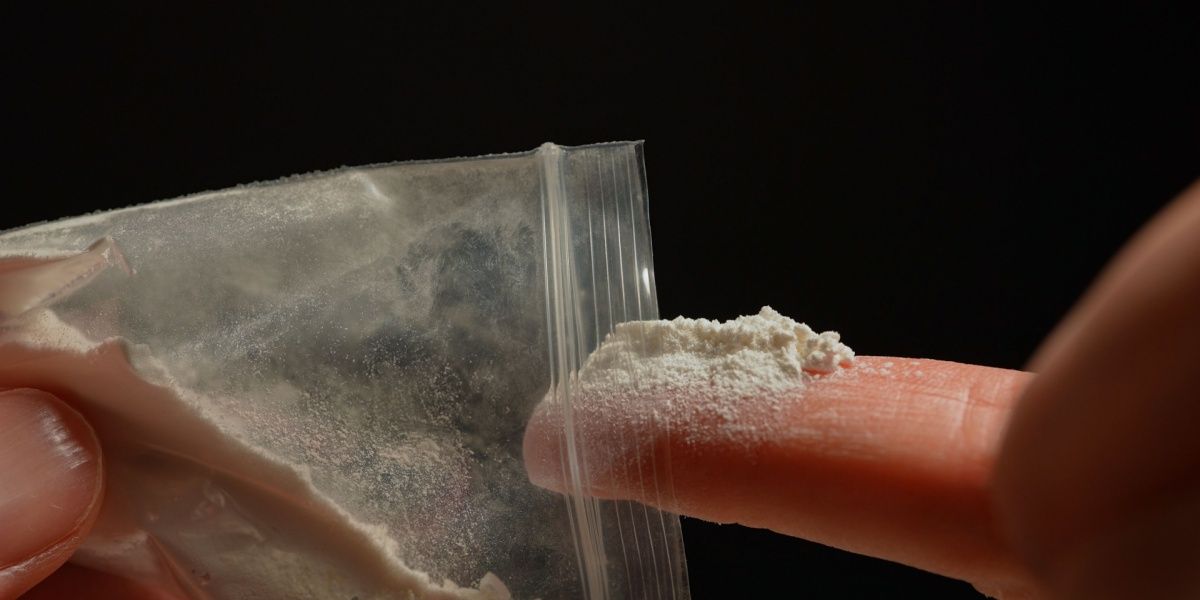
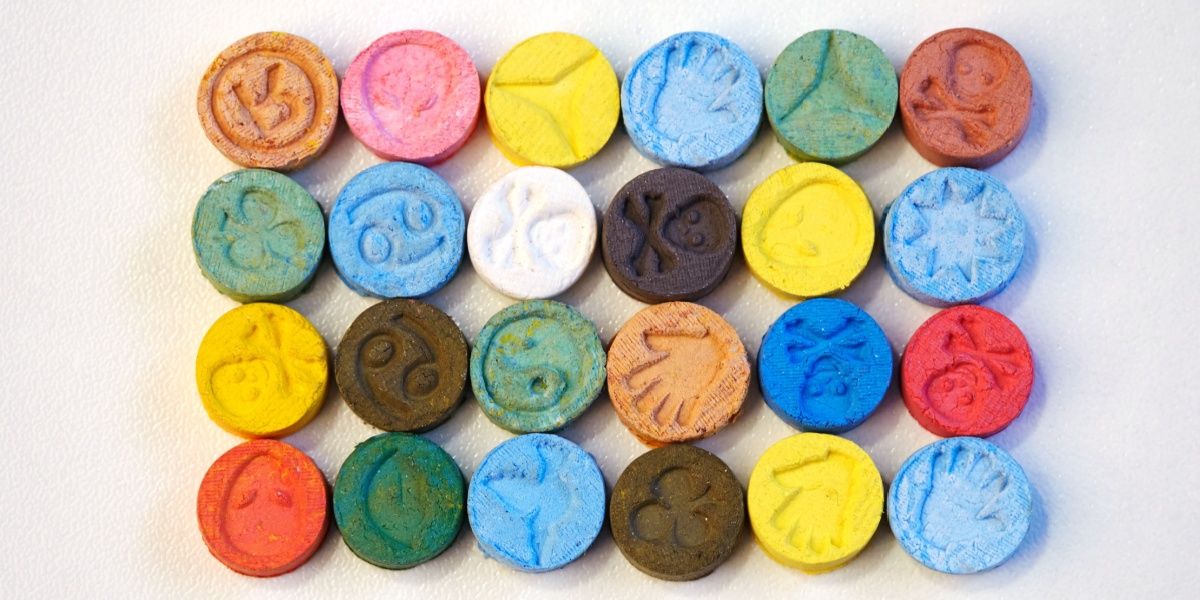
PCP was first developed as an anesthetic medication in the 1950s; however, it was discontinued due to adverse effects in patients, including agitation and delusions. [3] PCP remains a drug of abuse today due to its hallucinogenic properties. [3] PCP is also abused in other ways, including snorting powder and taking PCP tablets. [3] PCP is highly addictive, which places those smoking sherm at a high risk of developing dependence. [3]
Sherm is illegal, with PCP classed as a Schedule II controlled drug, which is the same category as cocaine. [2] This highlights the high risk of abuse and dependence with sherm.
What sherm use feels like
PCP acts on the central nervous system in many ways, affecting neurochemicals such as dopamine and serotonin, to produce a hallucinogenic and dissociative effect. [4][5] This can make users feel euphoric and disconnected from reality, alongside both visual and auditory hallucinations. [4] PCP also causes the cigarette or joint to burn at a slower rate, which could lead to a prolonged high. [2]
Who uses sherm and what are the risks
Individuals often start using sherm due to seeking an intense and prolonged high. This may be for numerous reasons, including underlying physical or mental health problems, social or financial issues, or having developed a high tolerance for other substances.
Sherm can cause a huge amount of adverse health effects. The risk of this is much higher in young people, as PCP can affect the hormones involved in growth and development. [2] As young people’s brains are still developing, adolescent PCP use can also affect learning and brain development. [2] Young people may also act more impulsively, using sherm due to peer pressure or without thinking about the consequences.
Effects on health
No matter the age of the individual, sherm use can lead to lung and brain damage. [2] PCP is also extremely carcinogenic, so prolonged inhalation with sherm can increase the risk of developing cancer. [2]
Sherm can also cause a large number of harmful effects to the body and mind. This includes changes to heart rate and blood pressure, memory loss, increased aggression, and paranoia. [4] Overdose of sherm can cause seizures, respiratory failure, and can even be fatal. [2] The long-term effects of sherm use can last for up to a year after stopping its use, showing how dangerous it can be. [3]
Warning signs for sherm use & addiction
Recognizing sherm use early can allow help to be sought before serious harm occurs. Several physical and psychological signs may indicate someone is using sherm. Physically, sherm can cause elevated heart rate and blood pressure, dizziness, and excessive sweating. Delusions, paranoia, hallucinations, and amnesia are also associated with sherm use. [2]
Sherm is highly addictive, causing individuals to quickly become dependent. There are several warning and red flag signs that addiction is forming, which include: [6]
- Difficulty controlling sherm use, or using it compulsively.
- Developing withdrawal symptoms and cravings.
- Finding it difficult to function without sherm.
- Needing increasing doses of sherm to achieve the same effect (developing tolerance).
- Using sherm to feel ‘normal’.
If individuals recognize some of these signs with their sherm use, they should seek professional help.
Overdose and response
Sherm overdose can occur frequently, as the dose of PCP consumed can be very hard to predict. An overdose is a medical emergency that requires immediate intervention, as it can lead to seizures, respiratory failure, and death. [2]
If you suspect someone has overdosed on sherm, call emergency services immediately by dialing 911. While waiting for help to arrive, if it’s safe for you to do so, try to keep the person calm and in a safe environment. The individuals should not be left alone, and their breathing and consciousness levels should be monitored. If they are unconscious but breathing, place them in the recovery position on their side to prevent choking. If you think the person may have stopped breathing, check for a pulse and immediately start CPR.
Medical treatment for sherm overdose in a hospital typically involves supportive care. [7] This includes administering medications to control seizures or agitation, providing respiratory support if needed, and managing cardiovascular complications. [7]
Treatment and recovery: What works for sherm use disorder
Once you’ve recognized problematic sherm use, it’s important to get professional help. The first step in treatment is typically medically supervised detoxification. Sherm can cause intense withdrawal symptoms and cravings, so undergoing detox in a monitored environment allows medical professionals to give medication and treatment to help manage these symptoms.
Behavioral and talking therapies play a key role in sherm addiction treatment. Cognitive Behavioral Therapy (CBT) has shown effectiveness in treating a variety of substance use disorders. [8] Individual counseling and group therapy can also play an important role in addressing the underlying issues that contributed to sherm use. Medical professionals will typically tailor treatment plans to individual needs.
After the initial treatment, ongoing effort is required to maintain recovery to live a healthy lifestyle, especially as the long-term sherm effects can last for up to a year after stopping. This includes avoiding triggers for sherm use, getting regular exercise, and starting new sober hobbies.
Supporting loved ones affected by sherm use
Finding that someone you care about is using sherm can be overwhelming and cause a whole range of emotions. However, your support can make a significant difference in their journey toward recovery.
The situation should be approached with compassion and without judgment. It’s best to express your concerns during a calm moment when they are not under the influence of sherm. Encourage them to seek professional help, and offer to assist with finding treatment options. However, it’s important to recognize that you cannot force someone into recovery; that’s a decision they must make for themselves.
There are likely to be setbacks along the way, but it’s important to remain patient and not lose hope. Recovery is often a long process with multiple challenges, but consistent support and encouragement can help your loved one rebuild their life.